Have you ever wondered why some diamonds sparkle with a hint of yellow, while others shine with an icy white glow? Or maybe you’ve seen stunning blue diamonds in movies and wondered what makes them so special? Diamond color is one of the key factors that affects both a diamond’s beauty and its value. In this guide, we’ll explore the fascinating world of diamond colors, from the classic colorless stones to fancy colored diamonds like yellow and blue varieties.
Understanding the Diamond Color Chart
When jewelers talk about diamond colors, they often refer to a diamond color chart that ranges from D to Z. This system, created by the Gemological Institute of America (GIA), helps everyone in the diamond industry speak the same language when it comes to color.
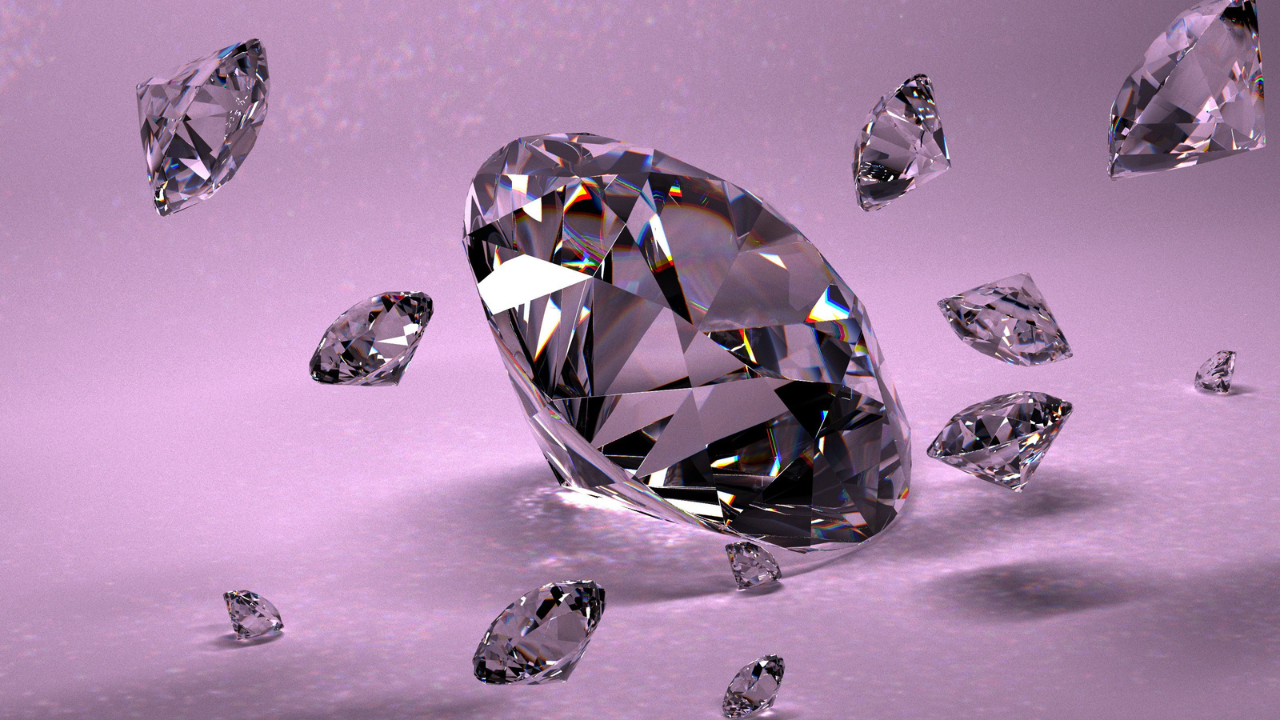
Here’s a simple breakdown of the diamond color chart:
- D, E, F: Colorless diamonds
- G, H, I, J: Near colorless diamonds
- K, L, M: Faint yellow diamonds
- N through Z: Light to medium yellow diamonds
The color grade D represents completely colorless diamonds, which are the most rare and valuable in this range. As you move down the alphabet toward Z, diamonds show increasing amounts of yellow or brown tint.
Why Color Matters in Diamonds
Why should you care about a diamond’s color? The color of a diamond affects:
- Appearance: Colorless diamonds tend to sparkle more brightly because they allow light to pass through without absorption.
- Value: Generally, the less color a diamond has (closer to D), the more valuable it is.
- Setting choices: Different diamond colors look better in different metal settings.
Most people can’t tell the difference between color grades that are one or two steps apart (like between an E and a G). This means you can often save money by choosing a near-colorless diamond instead of a perfectly colorless one.
Tips for Choosing Diamond Color
When shopping for a diamond, consider these tips:
- Consider the size: Larger diamonds show color more easily than smaller ones.
- Think about the setting: Yellow gold settings can make slightly yellow diamonds look whiter by comparison.
- Remember shape matters: Some diamond shapes hide color better than others. Round brilliant cuts hide color well, while emerald cuts tend to show color more.
Beyond White: Fancy Colored Diamonds
While the GIA color scale from D to Z focuses on white to light yellow diamonds, there’s a whole world of more deeply colored “fancy” diamonds that fall outside this range.
Yellow Diamonds: Sunshine Captured in Stone
Yellow diamonds are among the most popular fancy colored diamonds. A natural yellow diamond gets its sunny color from nitrogen atoms that absorbed light during the diamond’s formation deep in the earth.
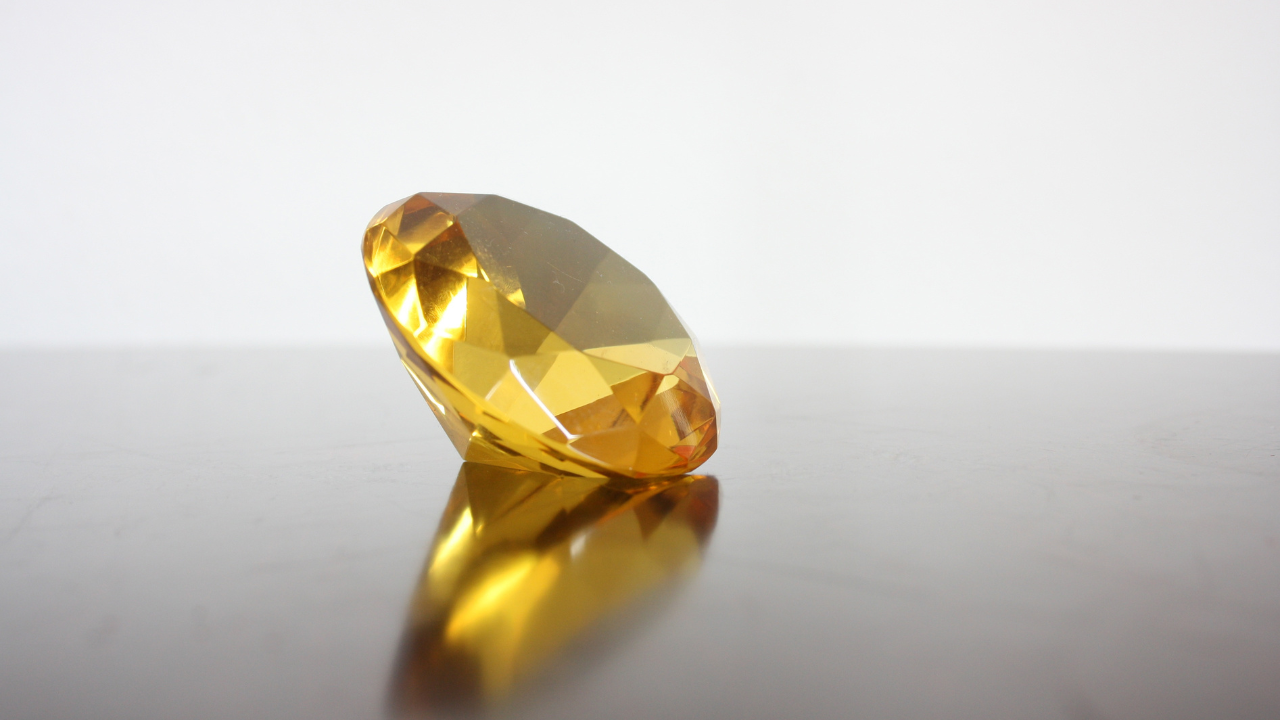
Yellow diamonds range in shade from light lemon to deep canary. The more pure and intense the yellow color, the more valuable the diamond. Unlike on the D-Z scale where yellow is less desirable, in fancy colored diamonds, a strong yellow color brings higher value.
Famous yellow diamonds include:
- The Tiffany Yellow Diamond (128.54 carats)
- The Florentine Diamond (137.27 carats)
Yellow diamonds pair beautifully with both white gold and yellow gold settings, creating stunning engagement rings and statement jewelry pieces.
Blue Diamonds: Rare Ocean-Hued Treasures
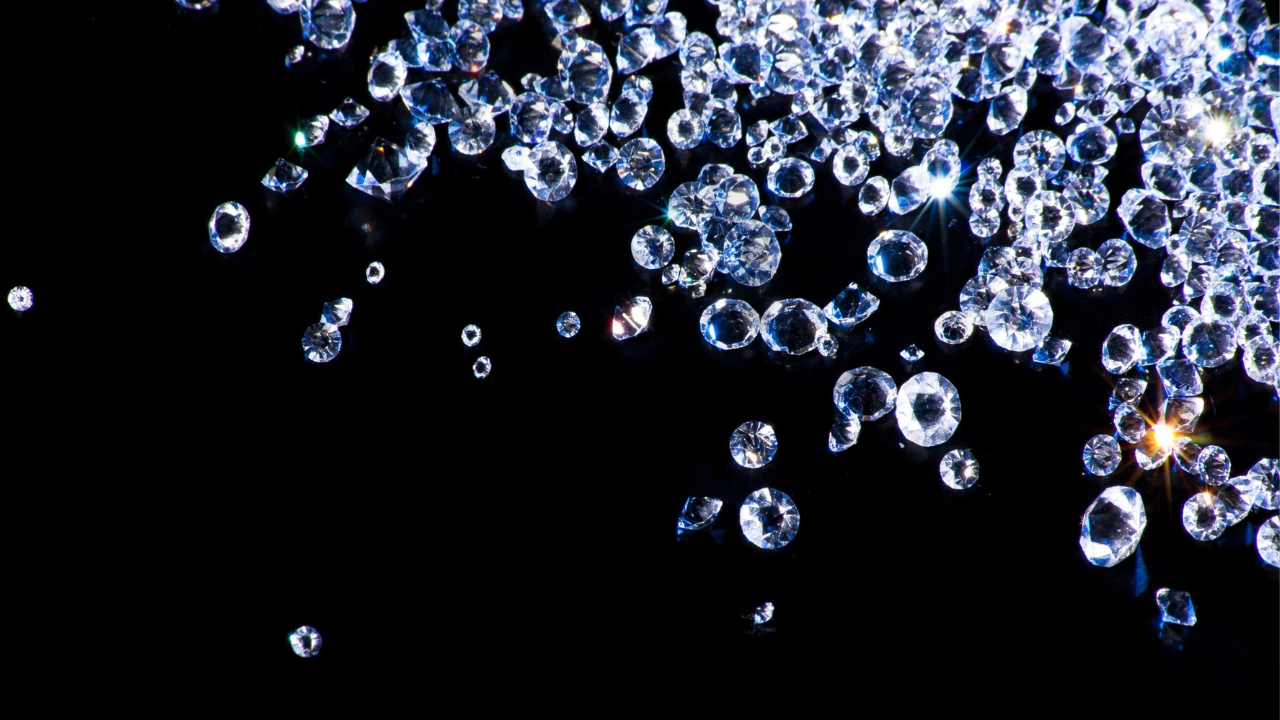
Blue diamonds are among the rarest colored diamonds in the world. Their breathtaking color comes from boron atoms in the diamond’s structure. Natural blue diamonds range from light sky blue to deep ocean blue, sometimes with hints of gray or green.
What makes blue diamonds special:
- Extreme rarity: Blue diamonds make up less than 0.1% of all diamonds mined.
- Investment value: Due to their rarity, blue diamonds often sell for millions at auction.
- Unique beauty: No two natural blue diamonds are exactly alike.
The most famous blue diamond is the Hope Diamond (45.52 carats), which has a mysterious history and is now housed at the Smithsonian Museum in Washington, D.C.
Other Fancy Diamond Colors
Beyond yellow and blue diamonds, fancy diamonds come in many other colors:
- Pink diamonds: Created by stress in the crystal structure
- Green diamonds: Colored by natural radiation in the earth
- Red diamonds: The rarest of all diamond colors
- Brown diamonds: Often marketed as “chocolate” or “cognac” diamonds
- Black diamonds: Containing numerous dark inclusions
Diamond Spectrum: A Rainbow of Precious Brilliance
Colorless (D-F)
#FFFFFF
Near Colorless (G-J)
#FFFDD0
Yellow Diamond
#FFD700
Blue Diamond
#0000FF
Diamonds are nature’s palette of perfection—from the icy brilliance of colorless stones to the captivating warmth of yellow diamonds and the mysterious depth of blue treasures.
Key Insights
A diamond’s color significantly impacts both its appearance and value. While colorless diamonds are traditionally most prized in the D-Z scale, fancy colored diamonds like yellow and blue varieties command premium prices for their rarity and unique beauty.
Colorless (D-F)
Purity & Brilliance
Near Colorless (G-J)
Value & Versatility
Yellow Diamond
Warmth & Radiance
Blue Diamond
Rarity & Mystery
Full Diamond Color Spectrum
Pink Diamond
Stress-formed Beauty
Green Diamond
Natural Radiation
Red Diamond
Ultimate Rarity
Brown Diamond
“Chocolate” Elegance
Black Diamond
Included Brilliance
Perfect Pairings: Diamond Colors & Settings
Platinum Setting
Ideal for D-J colorless diamonds
Yellow Gold Setting
Complements K-Z diamonds
Rose Gold Setting
Versatile for many colors
The perfect diamond color is the one that captures your heart—whether it’s the icy brilliance of a colorless stone, the sunny warmth of a yellow diamond, or the mysterious depths of a blue treasure.
How Diamond Color Affects Value
Diamond color affects price in different ways depending on whether we’re talking about traditional white diamonds or fancy colored diamonds:
For white diamonds (D-Z scale):
- Colorless (D-F): Highest value
- Near colorless (G-J): Great value, especially in smaller stones
- Faint yellow (K-M): More affordable, can look stunning in yellow gold
- Light yellow (N-Z): Lowest value in the traditional scale
For fancy colored diamonds:
- The more intense and pure the color, the higher the value
- Rare colors like red, blue, and pink command the highest prices
- Even tone and even color distribution increase value
Conclusion
Whether you’re drawn to the brilliant sparkle of a colorless diamond, the sunny glow of a yellow diamond, or the rare beauty of a blue diamond, understanding the diamond color chart helps you make an informed choice. Color is just one aspect of a diamond’s character, but it plays a crucial role in both appearance and value. By knowing what different diamond colors mean, you can find the perfect stone that matches both your style and your budget.
When shopping for diamonds, remember that color perception can be affected by lighting conditions. Diamonds should always be viewed under proper lighting to accurately assess their color. Professional jewelers use specific lighting conditions to grade diamonds consistently.
It’s also worth noting that laboratory-grown diamonds follow the same color grading system as natural diamonds. Lab diamonds can be created in both the traditional D-Z range and as fancy colored diamonds. These offer an alternative for those seeking specific colors at more accessible price points.
For those interested in investing in diamonds, color trends can shift over time. While colorless diamonds have traditionally been most valued in Western markets, fancy colored diamonds, especially yellow and blue diamonds, have gained significant popularity in recent years. Each color tells its own story and carries its own unique appeal.
In the end, the perfect diamond color is the one that speaks to you personally. Whether you choose a classic colorless diamond, a warm yellow diamond, or a rare blue diamond, what matters most is how it makes you feel when you see it sparkle. After all, diamonds are meant to bring joy to their owners, regardless of where they fall on the diamond color chart.