Choosing the right colors for a funeral is more than just a fashion decision. The colors we wear to memorial services carry deep cultural significance, emotional weight, and symbolic meaning. Understanding funeral colors can help you show respect, support, and empathy during difficult times of loss.
Navigating the complex world of funeral etiquette can be challenging, especially when emotions are running high and grief is present. Each color we choose speaks a silent language of mourning, communicating our respect and shared sorrow without uttering a single word. From the deep, somber tones of traditional black to the spiritual nuances of purple, funeral colors are a profound form of non-verbal communication that transcends cultural boundaries.
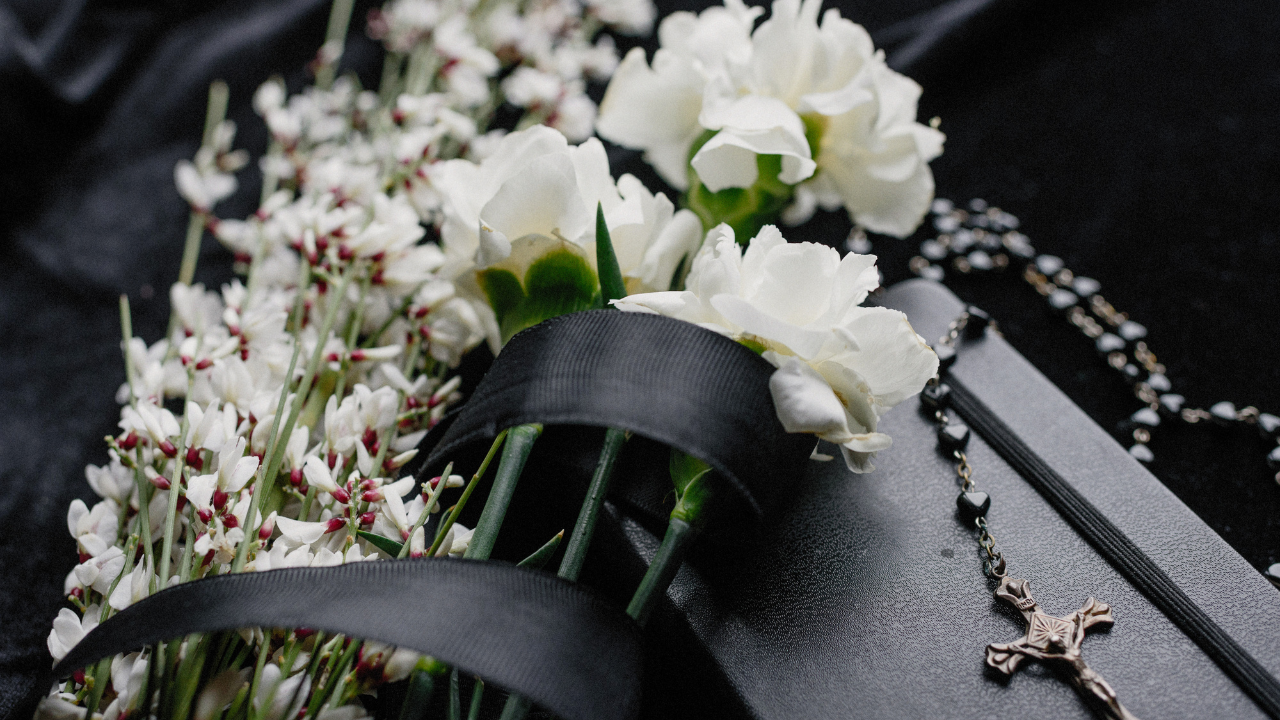
The significance of color in mourning rituals extends far beyond mere fashion choices. It is a deeply rooted cultural practice that reflects societal attitudes towards death, grief, and remembrance. Different cultures have developed unique color traditions that represent their understanding of life, death, and the spiritual journey. These traditions are not static but evolve with time, reflecting changing social norms and personal expressions of grief.
The Global Landscape of Funeral Colors
Funeral colors vary dramatically across different cultures and regions of the world. What might be considered appropriate in one country could be seen as inappropriate or even offensive in another. This complexity highlights the importance of understanding the cultural context when selecting funeral attire.
In Western cultures, black has traditionally been the standard color for mourning. This practice dates back centuries, symbolizing grief, loss, and respect for the deceased. However, modern funeral traditions have become more nuanced, allowing for a broader range of colors that express sympathy and support.
Historical Context of Funeral Colors
The history of mourning colors is rich and complex. In medieval Europe, funeral attire was strictly regulated, with different social classes having specific mourning dress codes. Wealthy families would often wear elaborate black clothing for extended periods after losing a loved one. These traditions evolved over centuries, reflecting societal changes and cultural perspectives on grief and remembrance.
During the Victorian era, mourning dress became an intricate social ritual. Widows were expected to wear full black for up to two years, with specific rules about fabric, accessories, and social interactions. While these extreme practices have disappeared, the symbolic power of funeral colors remains deeply ingrained in many cultures.
Black: The Traditional Color of Mourning
Black remains the most recognized and universally accepted color for funerals in many Western countries. Its somber tone represents the depth of loss and provides a visual expression of grief. When attending a funeral, wearing black is often seen as a sign of respect and solidarity with the bereaved family.

The tradition of wearing black at funerals has roots in Victorian-era mourning customs, where strict dress codes governed how people expressed grief. Today, while the rules have relaxed, black continues to be a safe and widely understood choice for funeral attire.
Purple: A Regal and Meaningful Funeral Color
Purple holds a special place in funeral color symbolism. Often associated with royalty, spirituality, and dignity, purple at funerals represents deep respect and mourning. Different shades of purple can convey varying levels of emotion and reverence.

Lighter lavender tones might suggest a more gentle mourning, while deeper, more intense purple shades can represent profound grief and loss. In some religious traditions, purple is closely linked to spiritual transformation and the journey of the soul, making it a particularly meaningful color for memorial services.
The use of purple in mourning has historical significance. In ancient Rome, purple was a color reserved for royalty and important officials. This association with nobility and importance has carried through to modern funeral practices, where purple symbolizes the profound respect we hold for the deceased.
Cultural Variations in Funeral Colors
Not all cultures view funeral colors the same way. In some Asian countries, white is the traditional color of mourning, symbolizing purity and the transition of the soul. In contrast, many Western cultures associate white with weddings and celebrations.
Chinese funeral traditions emphasize white and sometimes light gray as appropriate mourning colors. In Hindu traditions, white represents peace and is commonly worn during funeral ceremonies. In some African cultures, specific colors might be used to represent different stages of grief or the life of the deceased.
These cultural nuances underscore the importance of understanding local customs when attending memorial services. What might be considered respectful in one culture could be seen as inappropriate or offensive in another.
Appropriate Colors for Different Funeral Settings
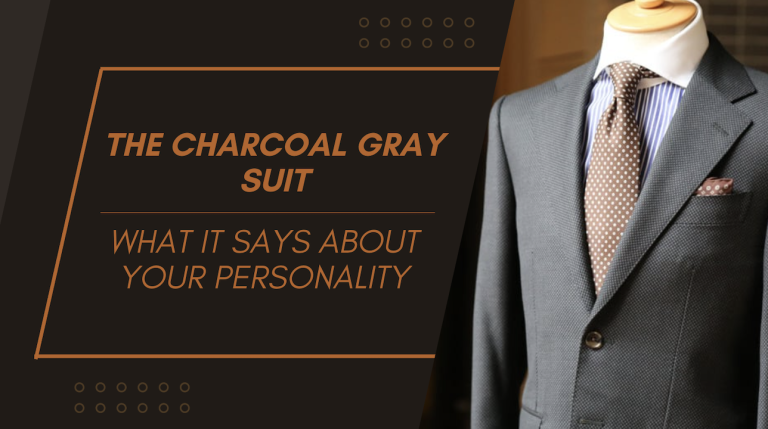
While black and purple remain standard choices, modern funeral etiquette has become more flexible. Dark, muted colors like navy blue, charcoal gray, and deep brown are now considered acceptable alternatives to pure black. The key is to choose colors that demonstrate respect and minimize drawing attention to oneself.

For more contemporary or personalized memorial services, families might request specific color schemes or ask attendees to wear colors that were meaningful to the deceased. Some families might choose bright colors to celebrate a life lived joyfully, while others might stick to traditional mourning colors.
Avoiding Inappropriate Color Choices
When selecting funeral attire, it’s crucial to avoid bright, vibrant colors that might be perceived as disrespectful. Neon colors, loud prints, and extremely casual clothing are generally inappropriate. The goal is to show sympathy and support through your clothing choices.
Consider the setting and cultural background of the funeral. A traditional religious service might require more conservative color choices compared to a celebration of life event that emphasizes the deceased’s personality and achievements.
The Emotional Impact of Color at Funerals
Colors at funerals are not just about appearance; they carry emotional significance. They communicate empathy, respect, and shared grief. The right color can provide subtle comfort to those mourning, signaling that you understand and share their pain.
Soft, muted tones often work best in funeral settings. They create a sense of calm and allow the focus to remain on remembering and honoring the life of the deceased. Your clothing becomes a form of silent communication, expressing support without words.
Modern Trends in Funeral Attire
Contemporary funeral practices are becoming more personalized. Some families encourage attendees to wear colors that celebrate the life of the deceased rather than adhering to traditional mourning colors. This shift reflects a growing trend of viewing funerals as life celebrations rather than purely somber events.
This evolution in funeral practices demonstrates a changing approach to grief and remembrance. Instead of focusing solely on loss, many modern memorial services aim to celebrate the unique life and personality of the deceased.
Practical Tips for Selecting Funeral Attire
When preparing for a funeral, consider these guidelines for choosing appropriate colors and clothing:
- Select well-fitted, clean, and pressed clothing
- Opt for dark, muted colors like black, dark purple, navy, or charcoal
- Avoid flashy jewelry or accessories
- Ensure your outfit is respectful and modest
- When possible, ask the family about their preferences
Conclusion: Respect and Sensitivity Matter Most
While understanding funeral colors is important, the most crucial aspect of attending a memorial service is showing genuine compassion and support. Your presence, empathy, and respect matter far more than the exact shade of your clothing.
Whether you choose traditional black, meaningful purple, or another subdued color, approach the occasion with sensitivity. Funeral colors are a subtle language of grief, solidarity, and remembrance.
By being mindful of cultural traditions, family wishes, and the emotional weight of color, you can navigate funeral attire with grace and understanding. Remember that your support and compassion are the most important elements you can bring to a memorial service.