Red flowers bring energy, warmth, and excitement to any garden. Their bold color commands attention and creates dramatic focal points in your landscape. Perennial plants that produce red flowers are especially valuable because they return year after year, offering reliable color without the need for annual replanting. Whether you’re looking to attract hummingbirds, create a romantic atmosphere, or simply add some visual punch to your garden beds, red flowering perennials are an excellent choice.
Popular Red Flowering Perennials
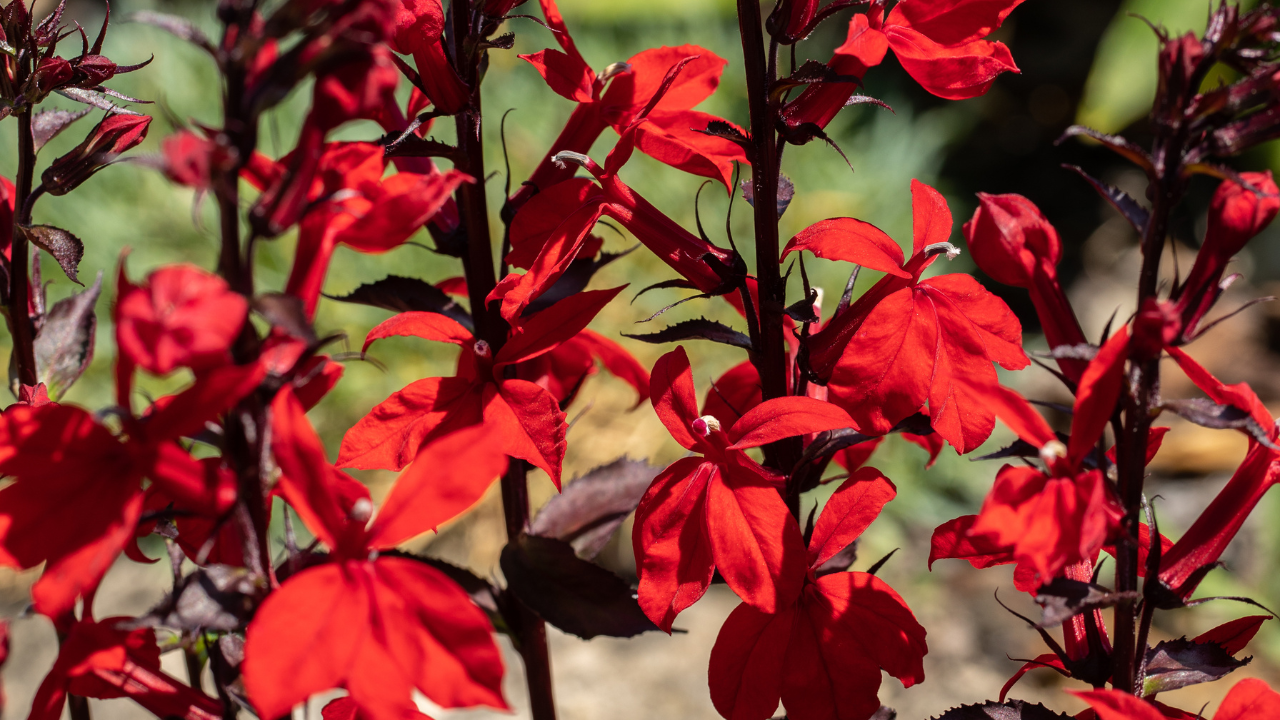
Cardinal Flower (Lobelia cardinalis)
The cardinal flower features tall spikes of brilliant red flowers that bloom from mid-summer to early fall. Named after the bright red robes worn by Roman Catholic cardinals, these striking red flowers grow on stems that can reach 2-4 feet tall. Cardinal flowers thrive in moist conditions and partial shade, making them perfect for rain gardens or areas near ponds. Hummingbirds find their tubular red flowers irresistible.
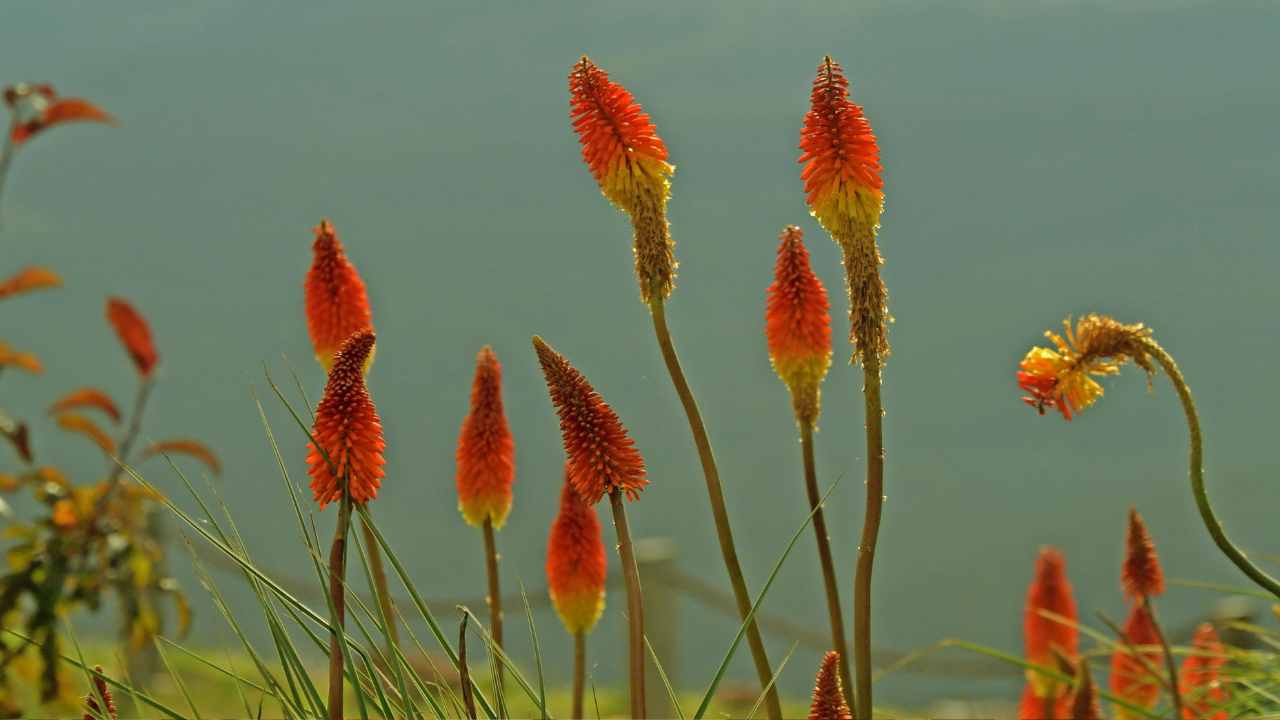
Red Hot Poker (Kniphofia)
Also known as torch lily, red hot poker produces dramatic spikes of flowers that transition from fiery red at the top to yellow or orange at the bottom. These unusual blooms appear in summer and can last for weeks. The plant forms clumps of grass-like foliage and grows 2-4 feet tall. Red hot pokers prefer full sun and well-drained soil, and they’re relatively drought-tolerant once established.
Bee Balm (Monarda)
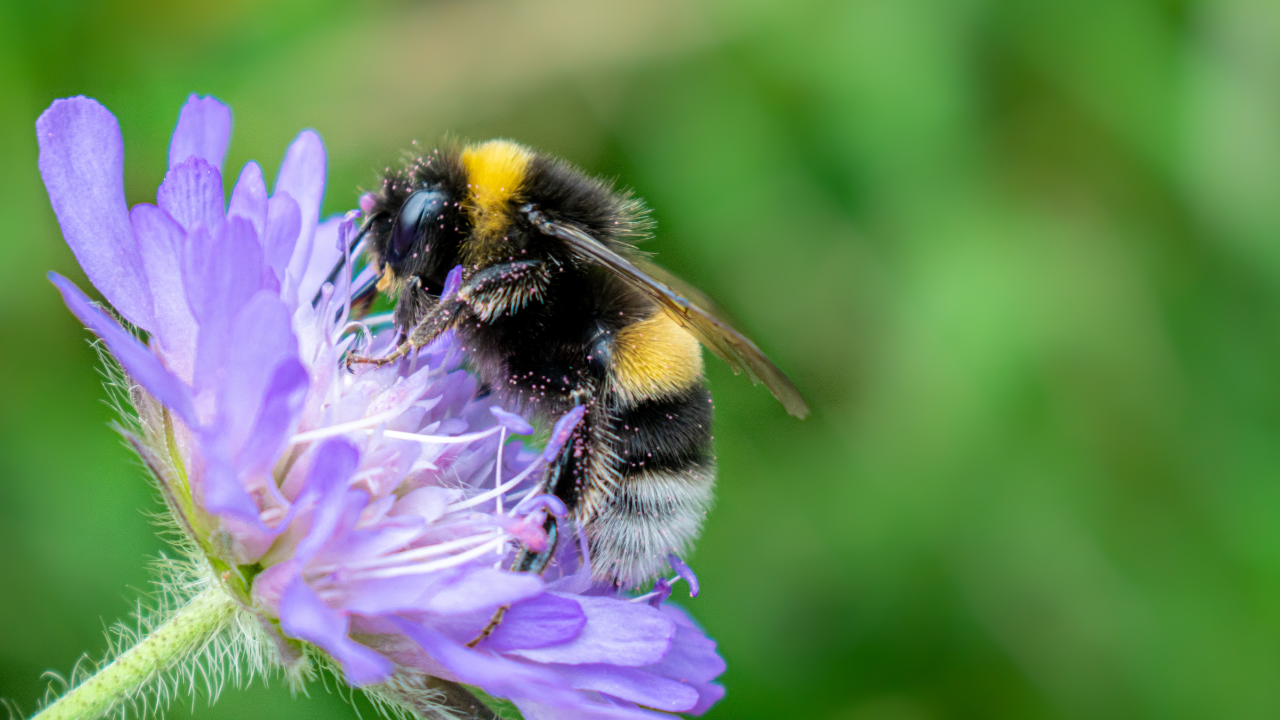
Bee balm produces showy, spiky red flowers that resemble exploding fireworks. These fragrant blooms appear in mid-summer and attract bees, butterflies, and hummingbirds. The plant grows 2-4 feet tall and spreads by underground stems, forming dense clumps over time. Bee balm prefers full sun to partial shade and moist, rich soil. Look for mildew-resistant varieties if your garden has high humidity.
Red Daylily (Hemerocallis)
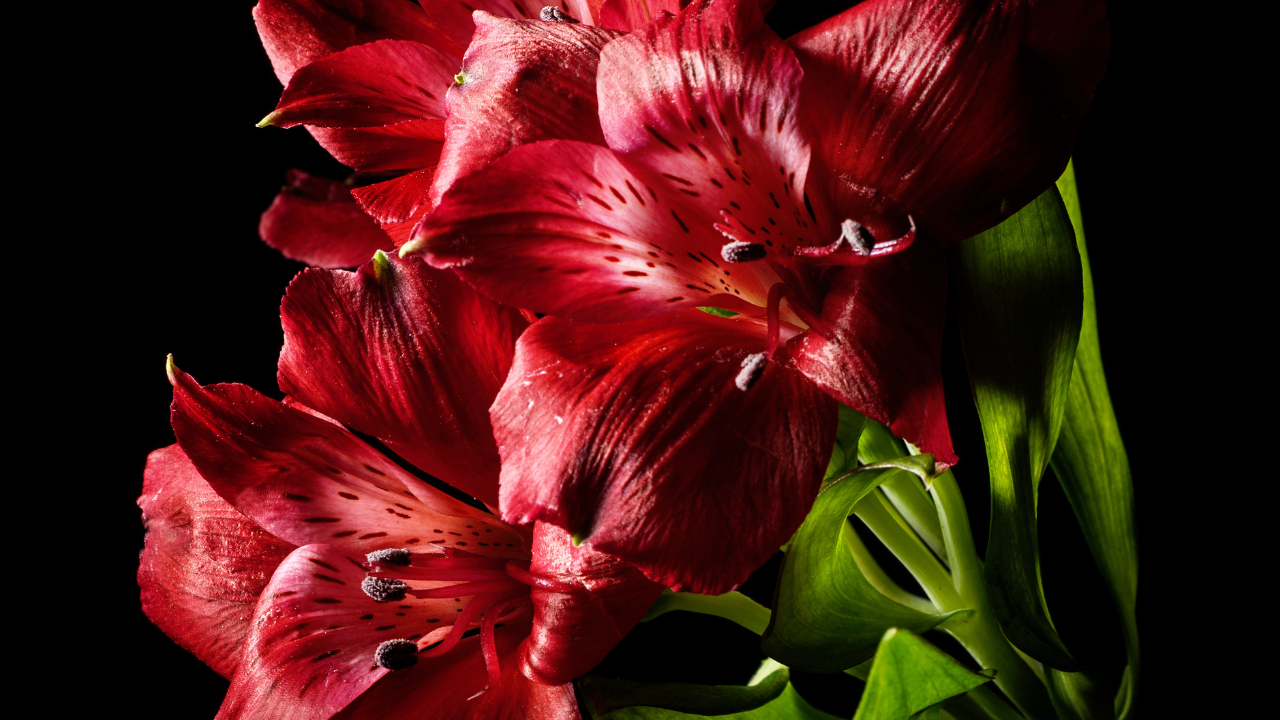
Daylilies are among the most adaptable and low-maintenance perennials. While each individual flower lasts only a day (hence the name), the plants produce many buds over an extended blooming period. Red daylilies come in various shades from bright cherry red to deep burgundy. They grow in clumps 1-3 feet tall and prefer full sun, though they can tolerate partial shade. Daylilies aren’t fussy about soil and can handle drought once established.
Oriental Poppy (Papaver orientale)
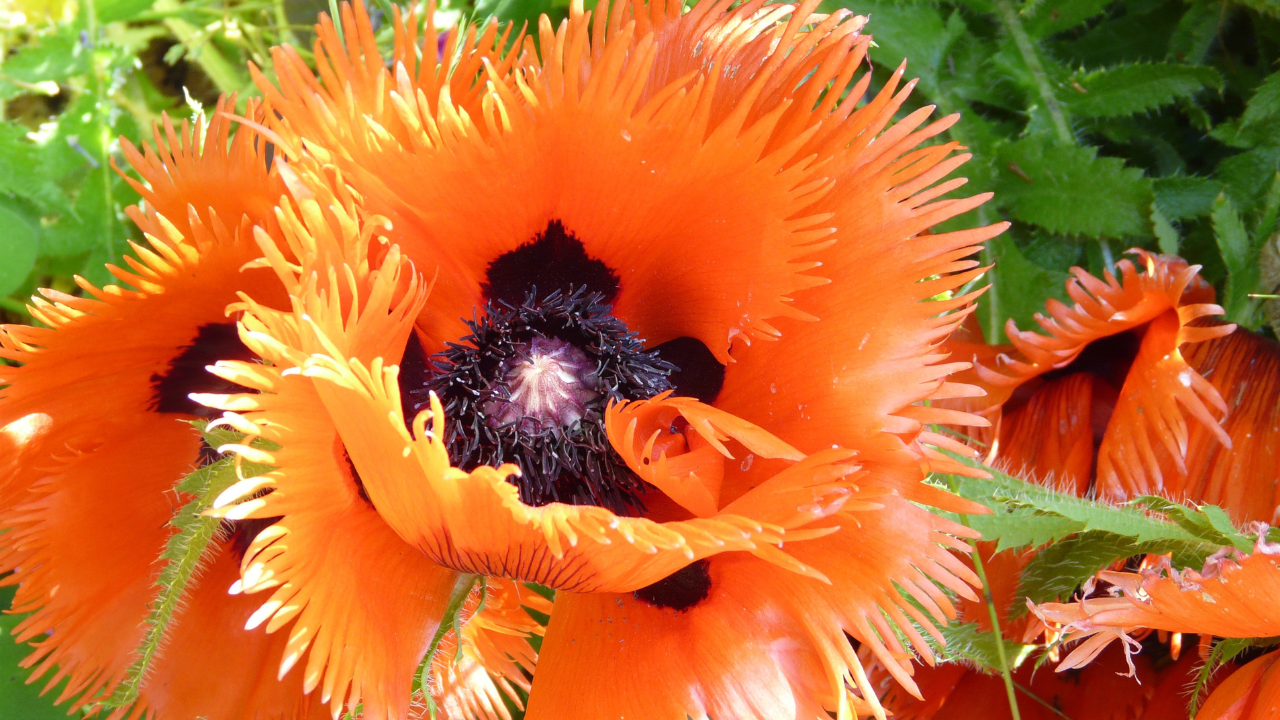
Oriental poppies produce large, tissue-paper-like blooms in vibrant red colors, often with black centers. These show-stopping red flowers appear in late spring to early summer. After flowering, the plants go dormant, so it’s best to plant them alongside later-developing perennials that can fill in the space. Oriental poppies prefer full sun and well-drained soil.
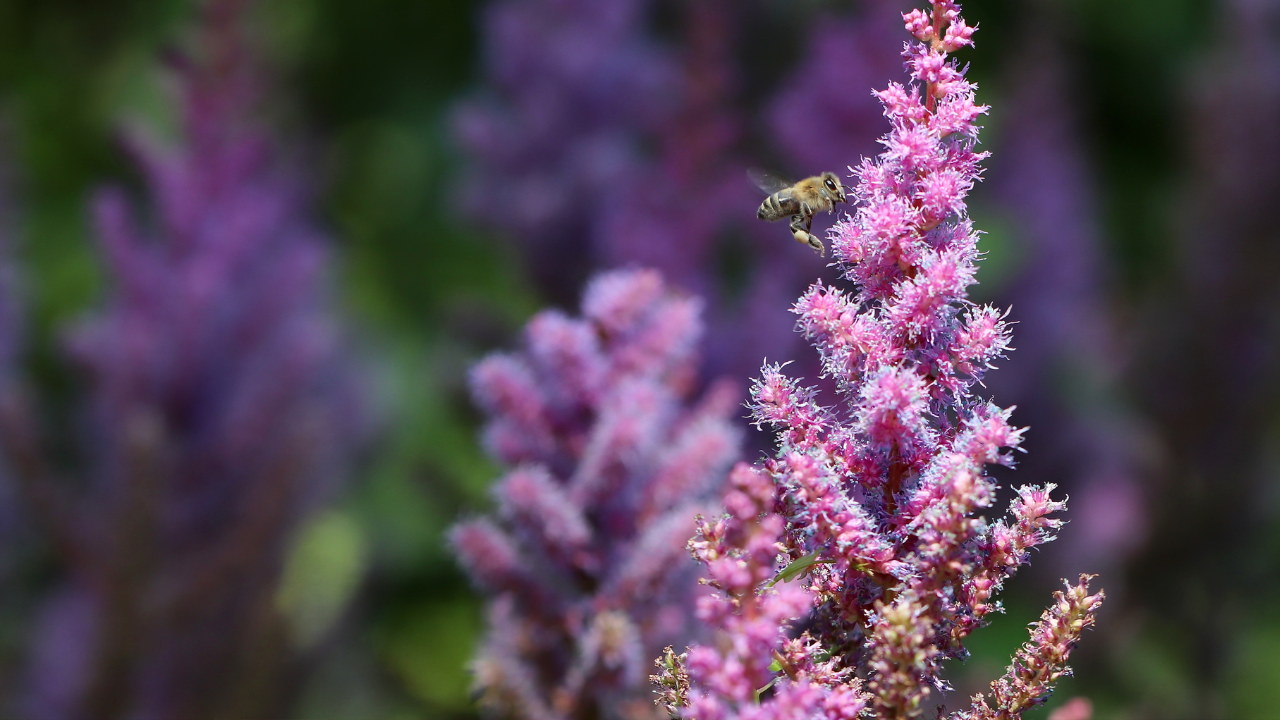
Astilbe (Astilbe x arendsii)
Red varieties of astilbe produce feathery plumes of tiny red flowers on stems rising above fernlike foliage. These elegant plants bloom in early to mid-summer and grow 1-3 feet tall depending on the variety. Astilbes prefer partial shade and consistently moist soil, making them excellent choices for woodland gardens or shady borders.
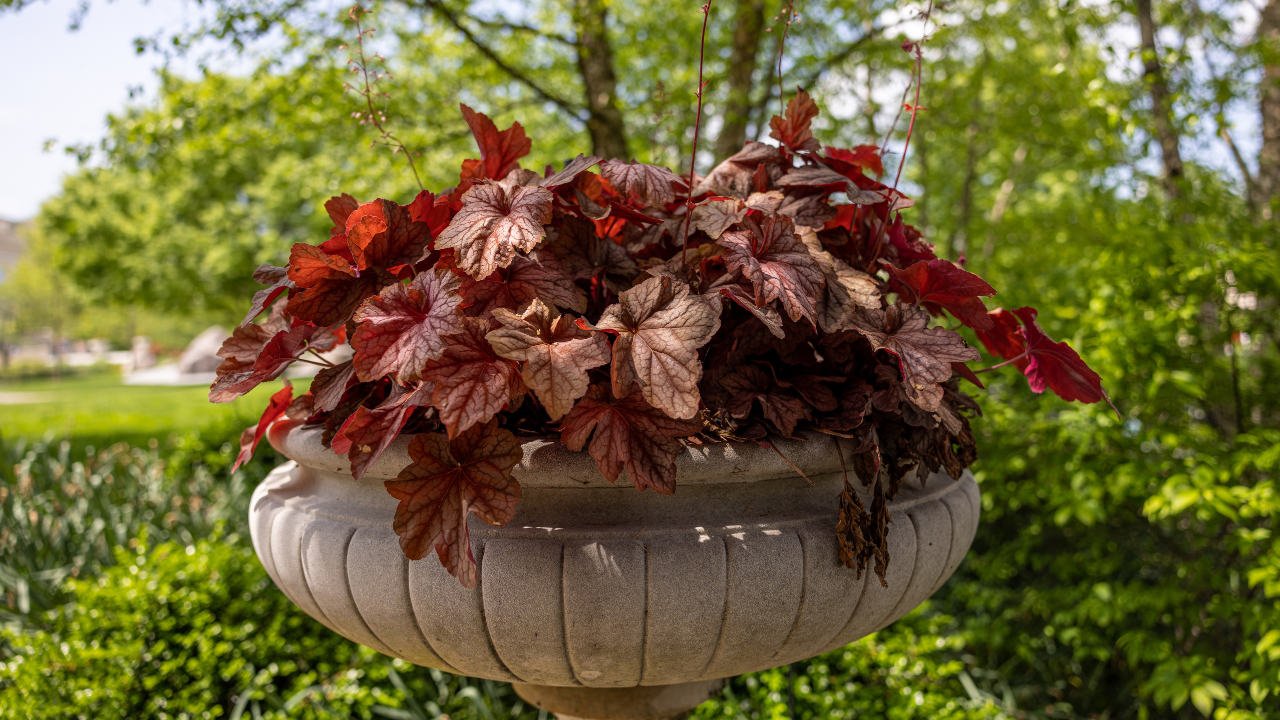
Coral Bells (Heuchera)
Though primarily grown for their colorful foliage, some coral bells varieties produce delicate sprays of tiny red flowers on thin stems above the leaves. These airy red flowers appear in late spring to early summer. Coral bells grow in mounds 8-12 inches tall (not counting the flower stems) and prefer partial shade and well-drained soil.
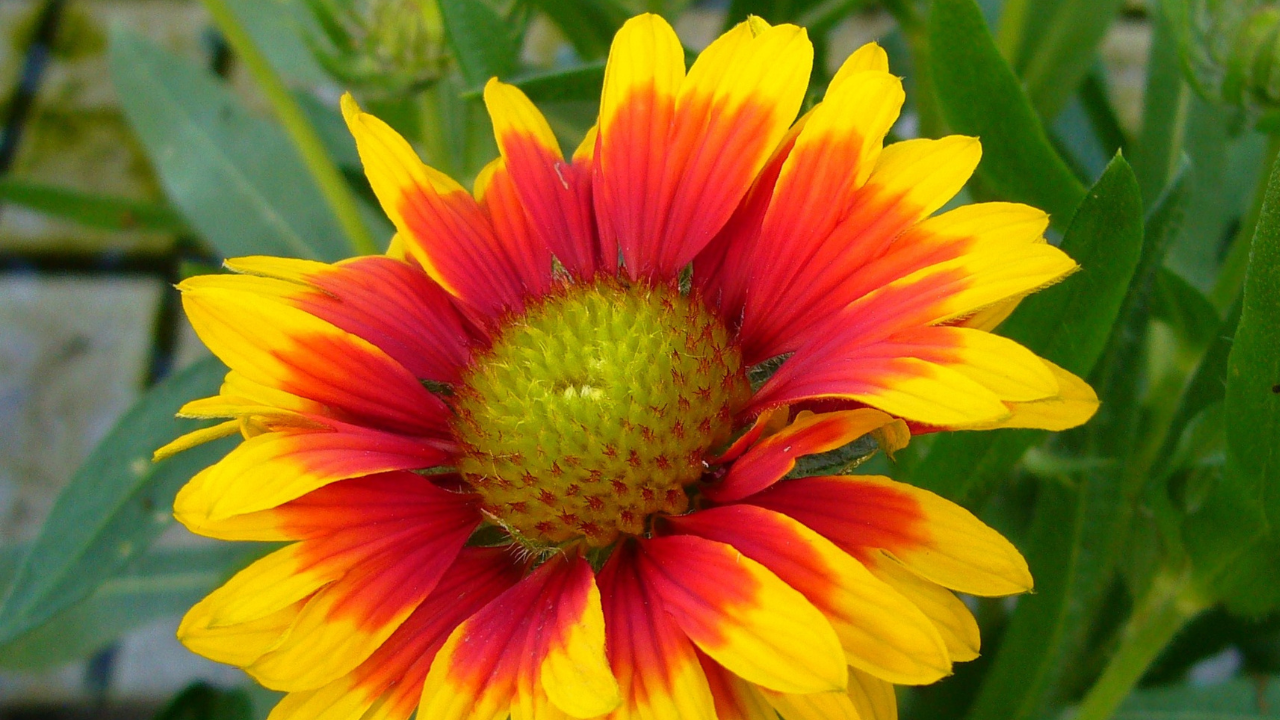
Blanket Flower (Gaillardia)
Blanket flowers produce daisy-like blooms with red centers surrounded by red and yellow petals. These cheerful red flowers appear from early summer until frost if deadheaded regularly. The plants form mounds 1-2 feet tall and prefer full sun and well-drained soil. Blanket flowers are drought-tolerant once established and attract butterflies.
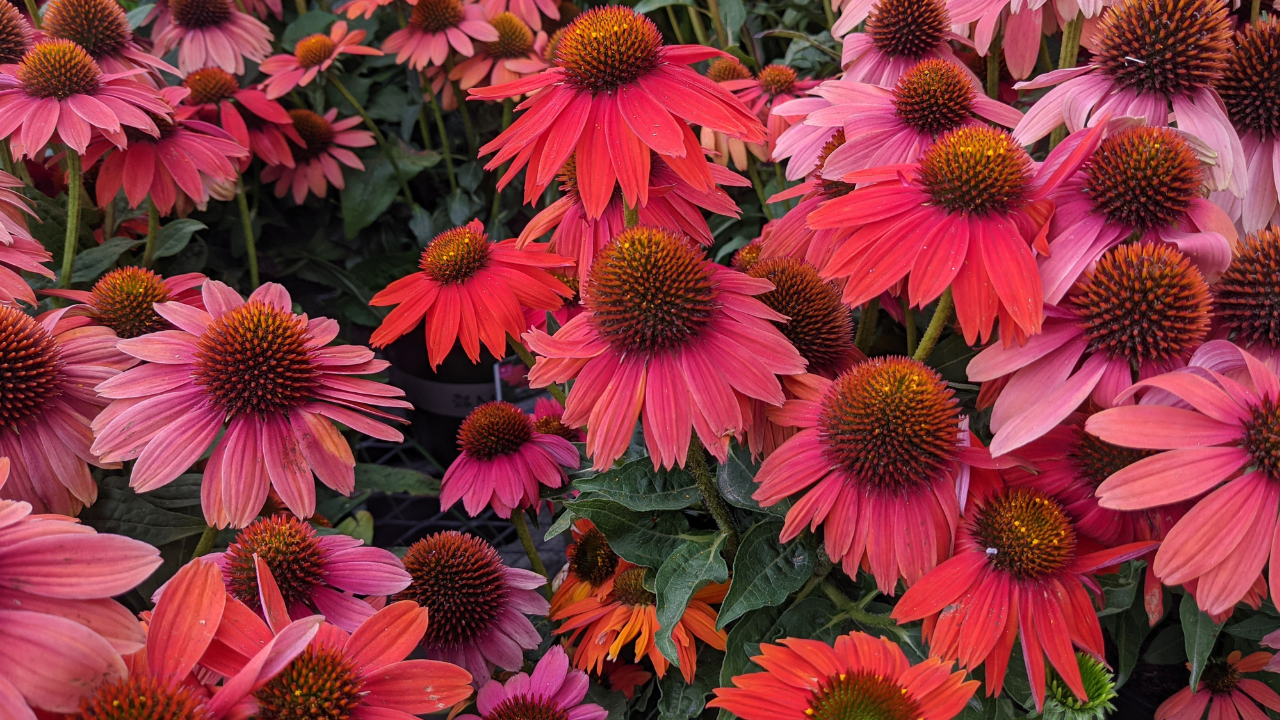
Red Coneflower (Echinacea)
While purple is the most common color, there are several red coneflower varieties that bring rich color to the garden. These sturdy perennials have daisy-like red flowers with raised central cones. Blooming from mid-summer through fall, red coneflowers grow 2-3 feet tall and prefer full sun and well-drained soil. They’re extremely drought-tolerant once established and attract both butterflies and birds.
Red Yarrow (Achillea millefolium)
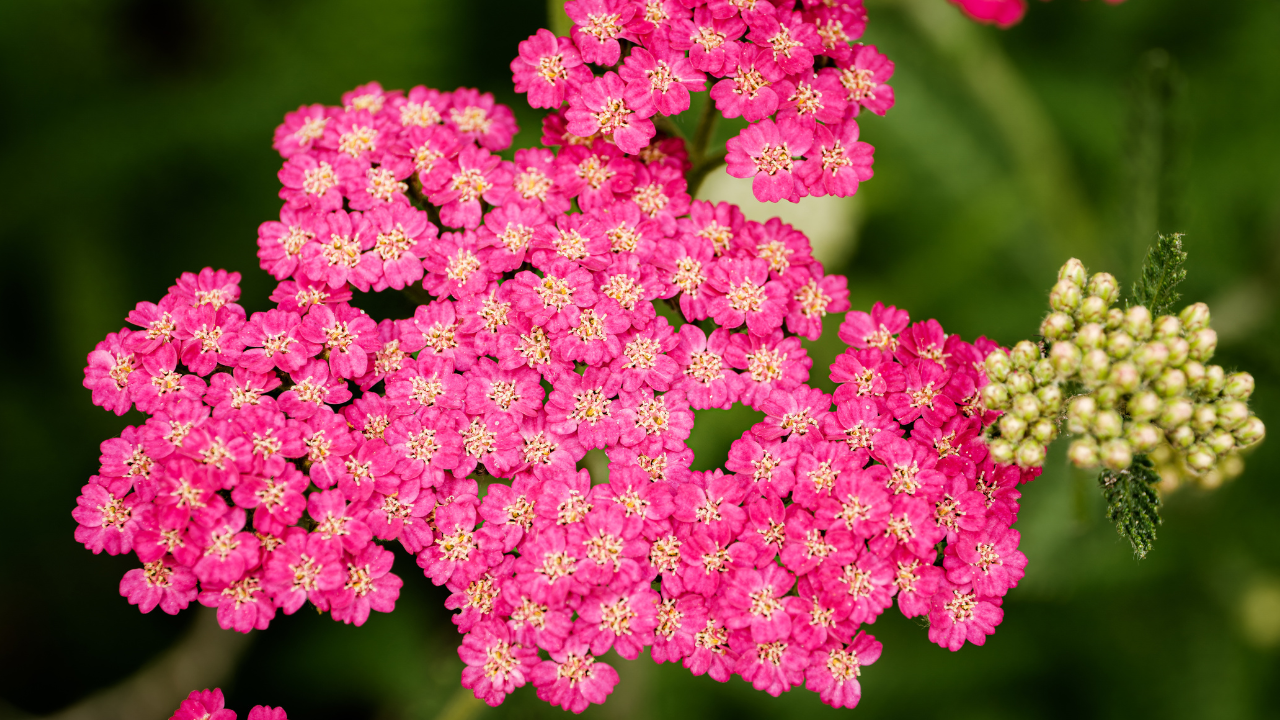
Red yarrow features flat-topped clusters of tiny red flowers held above feathery, fern-like foliage. These long-lasting blooms appear in early to mid-summer and make excellent cut or dried flowers. The plants grow 2-3 feet tall and prefer full sun and well-drained soil. Red yarrow is very drought-tolerant and attracts beneficial insects to the garden.
Perennial Passion: The Rich Palette of Red Flowering Plants
Cardinal Red
#B22222
Crimson Bloom
#DC143C
Poppy Punch
#8B0000
Red flowering perennials bring a vibrant energy to any garden, creating dramatic focal points that return year after year with their bold, eye-catching blooms.
Complementary Garden Colors
Pair these rich red tones with deep greens, silver foliage plants, or crisp whites to make your red flowering perennials stand out in the garden landscape. For dramatic contrast, combine with blues or purples.
Cardinal Red
Cardinal Flower & Bee Balm
Crimson Bloom
Red Daylily & Red Coneflower
Poppy Punch
Oriental Poppy & Red Hot Poker
Designing with Red Flowering Perennials
Creating Visual Impact
Red is a visually dominant color that naturally draws the eye. To maximize impact, plant red flowering perennials in groups rather than scattering them individually throughout the garden. Consider placing them where they’ll be viewed from a distance, as red stands out well even from afar.
Color Combinations
Red flowers can be paired with various colors for different effects:
- Red and white create a classic, clean look
- Red and blue offer striking contrast
- Red and yellow produce a warm, energetic combination
- Red and purple create rich, royal combinations
- Red and silver or gray foliage plants provide sophisticated contrast
Seasonal Planning
For continuous color throughout the growing season, select red flowering perennials with different bloom times:
- Spring: Red tulips, red bleeding heart
- Early Summer: Oriental poppies, red columbine
- Mid-Summer: Bee balm, cardinal flower, red daylilies
- Late Summer/Fall: Red astilbe, blanket flower, red coneflower
Growing Tips for Red Flowering Perennials
Soil Preparation
Most red flowering perennials perform best in soil enriched with organic matter. Before planting, amend your garden soil with compost or well-rotted manure to improve both fertility and drainage. Different red flowers have different soil preferences, so check the specific requirements for each plant.
Watering Needs
While some red flowering perennials like cardinal flower and astilbe prefer consistently moist soil, others like blanket flower and red hot poker are drought-tolerant once established. Group plants with similar water needs together to make maintenance easier.
Deadheading and Maintenance
Many red flowering perennials will bloom longer if you remove spent flowers. This process, called deadheading, prevents the plants from setting seed and encourages them to produce more red flowers. Some perennials, like blanket flower and bee balm, benefit from being divided every few years to maintain vigor and prevent overcrowding.
Attracting Wildlife with Red Flowers
Red flowering perennials also support local wildlife. Hummingbirds are particularly attracted to red tubular flowers like cardinal flower and bee balm. Butterflies favor flat-topped or clustered red flowers like blanket flower and red yarrow. Bees visit many red flowers for nectar and pollen, helping to pollinate your garden and surrounding plants. By including a variety of red flowers in your garden, you create a welcoming habitat for these beneficial creatures.
Conclusion
Red flowering perennials offer a perfect combination of visual drama and practical benefits. Their reliable return each year makes them a smart investment for any garden. Whether you want to create bold focal points, attract wildlife, or simply enjoy the warmth and energy that red flowers bring to your outdoor space, there’s a red flowering perennial that’s right for your garden. With proper planning and care, these vibrant plants will provide years of colorful blooms, making your garden a standout in the neighborhood.