Blue is one of the most popular colors in fashion, home decor, and design. Within the blue family, royal blue and navy blue stand out as two classic shades that are often confused or used interchangeably. However, these two blues have distinct characteristics, different histories, and unique applications. Understanding the differences between royal blue vs navy blue can help you make better color choices for your wardrobe, home, or design projects.
What Exactly Is Royal Blue?
Royal blue is a bright, vibrant shade of blue that sits between primary blue and purple on the color spectrum. It has a rich, saturated appearance with a slight purple undertone. As the name suggests, royal blue has historical connections to royalty and nobility.

The color we now call royal blue originated in England during the early 1800s when a specific deep blue dye was created for a competition to make a dress for Queen Charlotte, wife of King George III. This bright, vibrant blue became known as “royal blue” due to this royal connection. The original royal blue was actually darker than what we commonly call royal blue today, which evolved to become brighter over time.
In modern color systems, royal blue is typically defined as a vivid blue with the following color codes:
- Hex code: #4169E1
- RGB: 65, 105, 225
Royal blue is eye-catching, energetic, and commands attention. It exudes confidence and creates a strong visual impact wherever it’s used.
What Defines Navy Blue?
Navy blue, on the other hand, is a much darker blue that borders on black. It gets its name from the dark blue color traditionally used in naval uniforms of the British Royal Navy since 1748. This color was chosen for military uniforms because it was more resistant to fading than other blues available at the time.

Navy blue is deep, sophisticated, and conservative. It has very little purple undertone compared to royal blue and appears much closer to black, especially in certain lighting conditions.
In color systems, navy blue is defined as:
- Hex code: #000080
- RGB: 0, 0, 128
Modern navy blue can vary slightly in different contexts, but it always maintains its characteristic deep, dark blue appearance.
Royal Blue vs Navy Blue: Key Differences
Color Depth and Brightness
The most obvious difference between royal blue vs navy blue is their brightness and depth:
- Royal blue is bright, vivid, and highly saturated
- Navy blue is dark, deep, and sometimes appears almost black
This fundamental difference affects how each color is perceived and used in various applications.
Psychological Impressions
Colors affect our psychology and emotions in different ways. When comparing royal blue vs navy blue:
Royal blue tends to convey:
- Energy and vitality
- Confidence and self-assurance
- Youthfulness and playfulness
- Optimism and positivity
Navy blue typically communicates:
- Authority and power
- Stability and trustworthiness
- Tradition and conservatism
- Professionalism and reliability
These psychological differences make each color suitable for different purposes and contexts.
Versatility and Combinations
Both royal blue and navy blue are versatile colors, but they work differently with other colors:
Royal blue pairs well with:
- White for a fresh, clean look
- Yellow for a vibrant, high-contrast combination
- Pink for a playful, energetic feel
- Silver for a modern, sleek appearance
Navy blue combines beautifully with:
- White for a classic, nautical look
- Red for a traditional, patriotic feel
- Gold for a luxurious, elegant appearance
- Tan or khaki for a timeless, preppy style
Navy blue is often considered more versatile as it functions similarly to neutral colors like black in many color schemes. Royal blue, being more vibrant, acts as a statement color that draws attention.
Royal Blue vs Navy Blue in Fashion
In the fashion world, the difference between royal blue vs navy blue can significantly impact an outfit’s overall look and feel.
Royal Blue in Fashion
Royal blue clothing makes a bold statement. It’s attention-grabbing and often used when someone wants to stand out. Some common uses include:
- Formal events: Royal blue evening gowns and suits create a memorable impression
- Casual wear: Royal blue t-shirts, jeans, or sneakers add a pop of color
- Accessories: Royal blue handbags, scarves, or jewelry serve as eye-catching accents

Royal blue tends to be more seasonal, appearing frequently in spring and summer collections due to its vibrant nature.
Navy Blue in Fashion
Navy blue is considered a wardrobe staple and often replaces black as a neutral base color. It’s exceptionally versatile and timeless. Common uses include:
- Business attire: Navy blue suits, blazers, and dresses are professional standards
- Casual classics: Navy blue jeans, sweaters, and jackets never go out of style
- School uniforms: Many schools choose navy blue for its traditional, formal appearance

Navy blue is truly season-less, appearing consistently throughout the year in fashion collections.
When considering royal blue vs navy blue for your wardrobe, think about your color palette and intended impression. Navy blue offers more versatility and pairing options, while royal blue creates more visual impact.
Royal Blue vs Navy Blue in Home Decor
The distinction between royal blue vs navy blue becomes particularly important in home decor, where colors set the tone for entire rooms.
Royal Blue in Home Decor
Royal blue adds energy and drama to interior spaces. It’s often used:
- As an accent color in pillows, throws, or art pieces
- In smaller rooms where you want to create a bold statement
- In contemporary or eclectic design styles
- To create focal points or conversation pieces

Due to its intensity, royal blue is typically used sparingly in home decor to avoid overwhelming a space.
Navy Blue in Home Decor
Navy blue brings sophistication and timelessness to interiors. It’s commonly used:
- As a wall color to create depth and coziness
- In larger furniture pieces like sofas or armchairs
- In traditional, coastal, or classic design styles
- As a background that allows other elements to shine
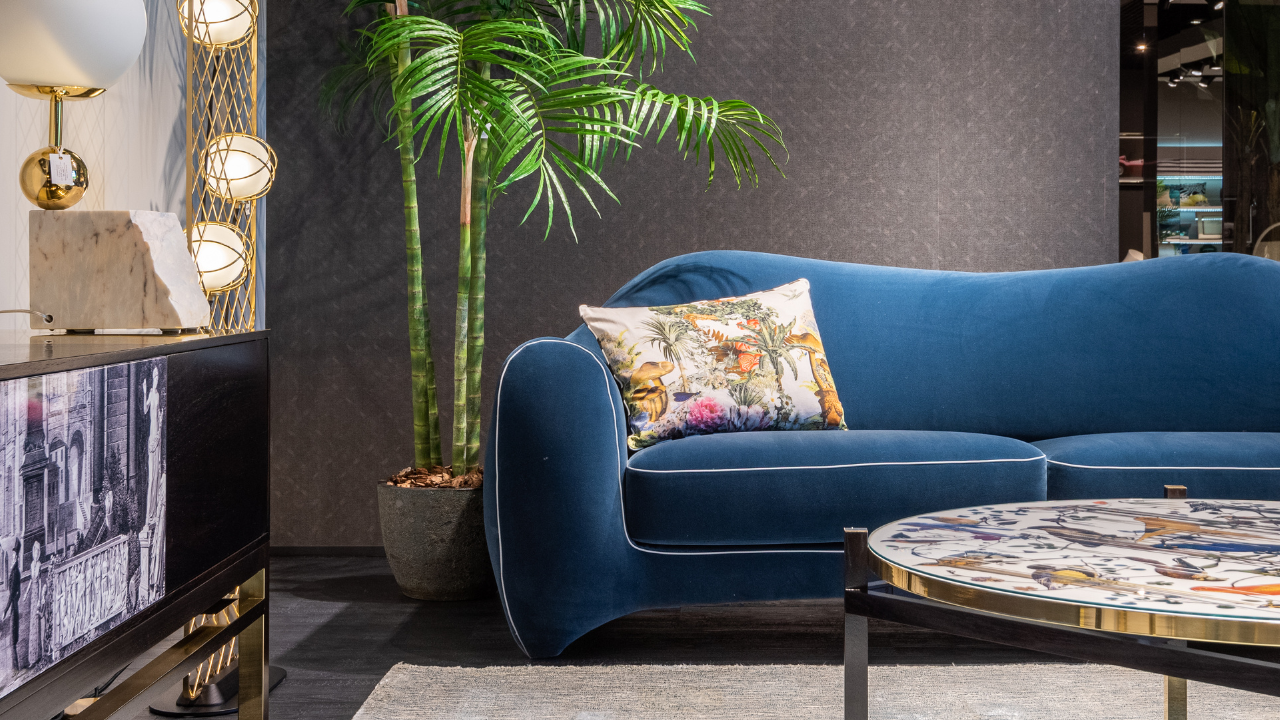
Navy blue has gained popularity as an alternative to black in many homes, offering similar depth but with more warmth and character.
Royal Blue vs Navy Blue in Branding and Design
The choice between royal blue vs navy blue can significantly impact a brand’s perception.
Royal Blue in Branding
Companies choose royal blue when they want to convey:
- Innovation and creativity
- Energy and dynamism
- Youth and accessibility
- Confidence and boldness
Brands like Pepsi, Facebook, and Best Buy use variations of royal blue in their logos and branding.
Navy Blue in Branding
Organizations opt for navy blue to communicate:
- Trustworthiness and stability
- Professionalism and expertise
- Heritage and experience
- Authority and leadership
Companies like IBM, Walmart, and FedEx incorporate navy blue into their visual identities.
Choosing Between Royal Blue vs Navy Blue
When deciding between royal blue vs navy blue for any application, consider these factors:
- Purpose and context: What message are you trying to convey?
- Setting and environment: Where will the color be used?
- Lighting conditions: How will lighting affect the color’s appearance?
- Personal preference: Which blue resonates more with your style?
- Existing color scheme: Which blue better complements your existing palette?
Conclusion
While royal blue and navy blue are both beautiful blue shades, they create distinctly different effects. Royal blue is vibrant, energetic, and attention-grabbing—making it perfect for creating focal points or expressing creativity. Navy blue is sophisticated, trustworthy, and versatile—ideal for creating timeless looks or communicating stability.
Understanding the differences between royal blue vs navy blue allows you to make more informed color choices for fashion, home decor, or design projects. Whether you prefer the bold energy of royal blue or the classic elegance of navy blue, both colors offer beautiful options within the blue family. By considering the unique properties and associations of each shade, you can select the perfect blue to achieve your desired effect.