When it comes to neutral colors in interior design, fashion, and home decor, taupe and beige are often mentioned in the same breath. These sophisticated neutrals form the backbone of many color palettes, yet many people struggle to differentiate between them. Understanding the subtle distinctions between taupe and beige can help you make better design choices and create the perfect ambiance in your spaces. This article explores the key differences between these two popular neutral colors, their characteristics, and how to use them effectively.
What Exactly is Taupe?
Taupe is a sophisticated neutral color that sits at the intersection of brown and gray. The name “taupe” comes from the French word for “mole,” as it resembles the color of a mole’s coat. While many people simply categorize taupe as a grayish-brown, it’s actually more complex than that.

Taupe encompasses a range of shades that can lean more toward gray or more toward brown, sometimes with subtle undertones of purple, pink, or green. This versatility makes taupe a chameleon in the world of neutrals, capable of adapting to various design schemes and complementing a wide array of accent colors.
The color taupe typically has:
- A mix of brown and gray tones
- Medium to dark depth
- Potential purple, pink, or green undertones
- A sophisticated, earthy appearance
- Cooler undertones than beige
True taupe has a certain depth and richness that sets it apart from lighter neutrals. It’s neither too warm nor too cool, making it an excellent bridging color between different color families.
What Defines Beige?
Beige, on the other hand, is a lighter neutral color that combines elements of brown, yellow, and white. The term “beige” emerged in the 19th century, derived from the French word describing the natural color of undyed wool.

Beige is generally lighter and warmer than taupe, with a distinctly yellow or cream undertone. It’s often described as a pale sandy color that evokes images of beaches and desert landscapes. Beige creates a sense of warmth and comfort in spaces, making it a popular choice for living areas and bedrooms.
The color beige typically has:
- Light to medium depth
- Warm yellow or cream undertones
- A softer, more delicate appearance
- More warmth than taupe
- Less gray influence than taupe
Beige serves as an excellent backdrop for both bold and subtle accent colors, making it one of the most versatile and widely used neutrals in interior design and fashion.
Key Differences Between Taupe and Beige
Color Composition
The fundamental difference between taupe and beige lies in their color composition. Taupe is essentially a mix of brown and gray, while beige is a combination of brown, yellow, and white. This difference in composition affects how these colors interact with other elements in your design scheme.
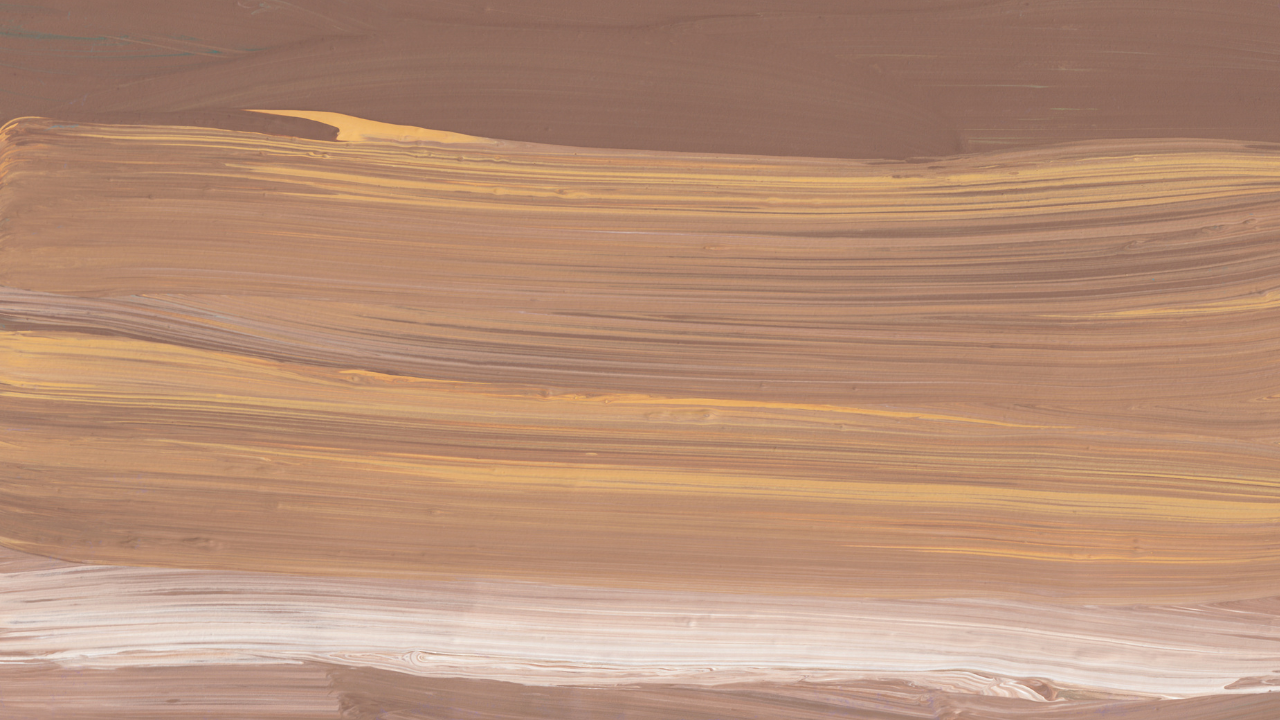
Taupe’s gray component gives it a certain sophistication and modernity that beige sometimes lacks. Meanwhile, beige’s yellow undertones create a sense of warmth and coziness that taupe may not provide.
Depth and Intensity
Taupe is generally deeper and more intense than beige. While both colors fall within the neutral category, taupe tends to have more presence and can even serve as an accent color in some design contexts. Beige, by contrast, almost always functions as a background color due to its lighter, more subdued nature.
The depth of taupe makes it more effective at hiding dirt and stains, making it a practical choice for high-traffic areas. Beige, being lighter, may show wear and tear more readily but creates a greater sense of space and airiness.
Undertones and Temperature
Taupe often has cool undertones, sometimes with hints of purple, pink, or green. These undertones can shift how taupe appears under different lighting conditions and alongside different colors. Beige, conversely, almost always has warm undertones, typically in the yellow or cream spectrum.
This difference in temperature means that taupe works well in spaces where you want to create a sense of calm and sophistication, while beige excels at creating warm, inviting environments.
Versatility in Design
Both colors offer significant versatility, but they shine in different contexts. Taupe’s complexity makes it an excellent choice for contemporary and transitional design styles. It pairs beautifully with jewel tones, metallics, and both warm and cool accent colors.
Beige, with its warmer personality, works wonderfully in traditional, farmhouse, and coastal design schemes. It complements earthy tones, blues, and greens particularly well.
Using Taupe in Interior Design
Taupe has gained popularity in interior design for its ability to bring sophistication to spaces without overwhelming them. This versatile neutral works well in:
- Living rooms with blue, burgundy, or emerald green accents
- Bedrooms where a sense of calm and relaxation is desired
- Dining rooms paired with metallic finishes for an elegant look
- Home offices where concentration and focus are important
- Bathrooms with marble or stone elements
When using taupe on walls, consider how natural and artificial light will affect its appearance. Taupe can shift dramatically depending on lighting conditions, sometimes appearing more gray and sometimes more brown. Always test paint samples at different times of day before committing to a shade.
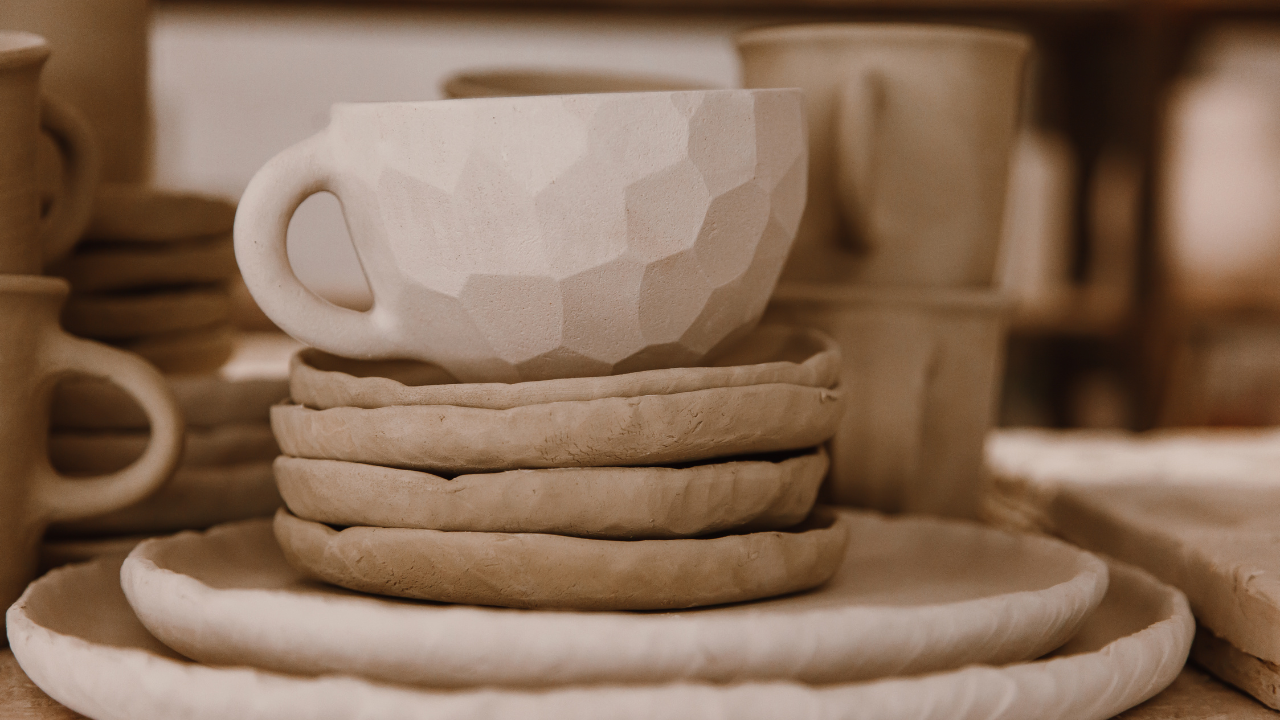
Taupe furniture pieces make excellent investments as they can transition between different design schemes over time. A taupe sofa, for example, can work with various accent colors as your taste evolves.
Using Beige in Interior Design
Beige continues to be a staple in interior design for its warmth and approachability. This classic neutral shines in:
- Open concept spaces where you want to create flow between rooms
- Small rooms that need to feel larger and more spacious
- Bedrooms where a warm, restful atmosphere is the goal
- Living rooms that receive abundant natural light
- Kitchens paired with wood tones for a timeless look
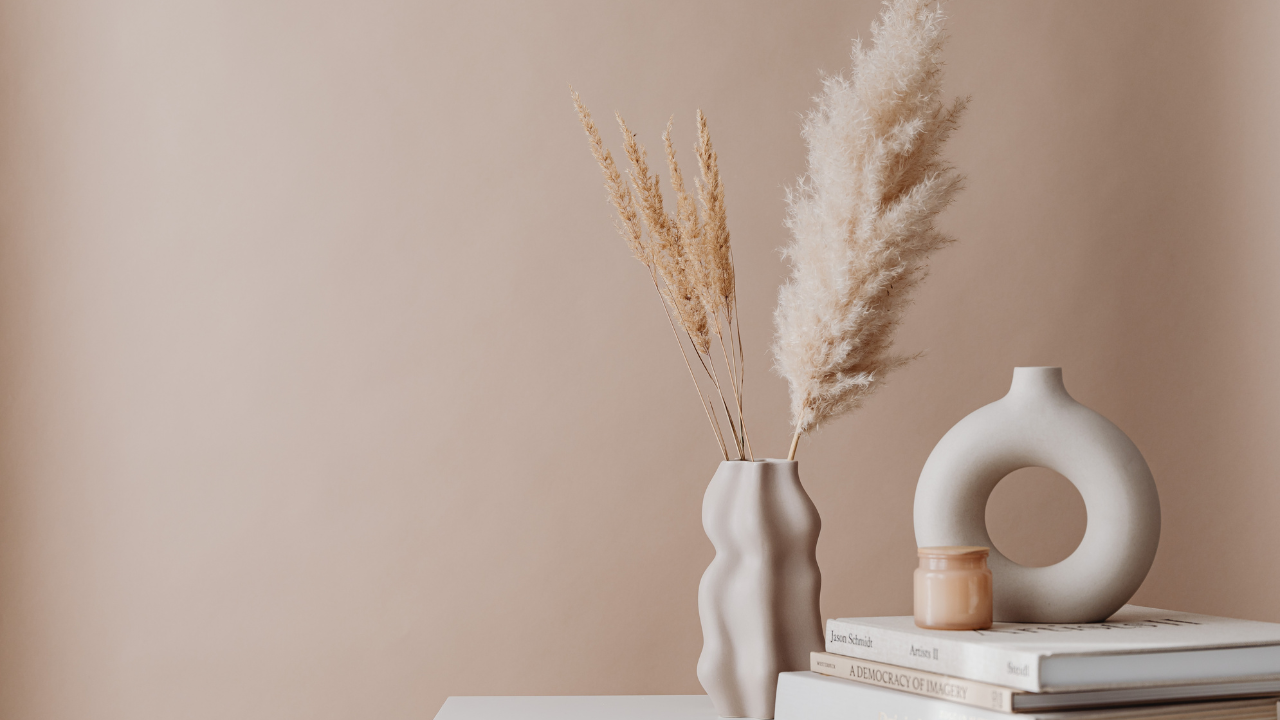
Beige walls create an excellent backdrop for artwork and decorative elements. The warmth of beige enhances the appearance of wood furniture and floors, making it a natural partner for traditional and rustic design styles.
When choosing beige fabrics for furniture and window treatments, consider the level of traffic the space receives. Darker beiges will hide wear better than lighter shades.
Fashion Applications: Taupe vs Beige
In the fashion world, both taupe and beige are considered wardrobe essentials, but they serve different purposes:
Taupe clothing items:
- Project sophistication and urban elegance
- Work well in fall and winter wardrobes
- Pair beautifully with jewel tones and black
- Create interesting monochromatic looks when layered

Beige clothing items:
- Evoke a sense of classic elegance
- Excel in spring and summer wardrobes
- Complement earth tones and pastels
- Create a fresh, clean aesthetic when worn head-to-toe
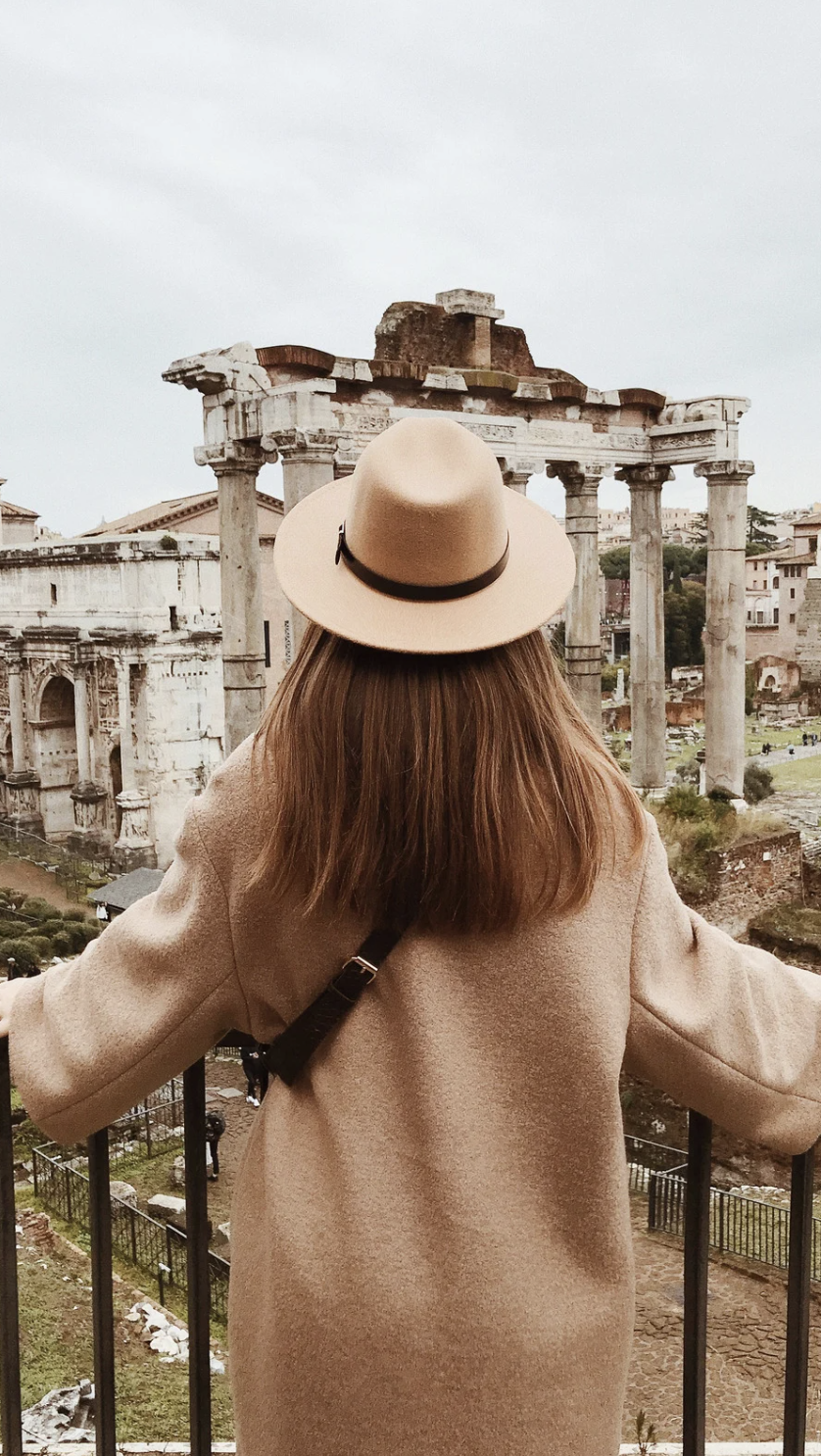
Both colors function as neutrals that can be dressed up or down depending on the occasion. They’re particularly valuable in capsule wardrobes where versatility is key.
Conclusion
While taupe and beige might seem similar at first glance, they offer distinct characteristics that can dramatically affect the mood and appearance of your spaces. Taupe brings sophistication with its complex blend of brown and gray, often featuring cool undertones that create a sense of contemporary elegance. Beige offers warmth and versatility with its lighter, yellow-influenced hues that create inviting, timeless environments.
Understanding these differences allows you to make more informed choices in your interior design, fashion, and decorating projects. Whether you choose the sophisticated depth of taupe or the warm embrace of beige, both these versatile neutrals provide excellent foundations for creating beautiful, harmonious spaces that stand the test of time.