In the constantly changing realm of design, some colors remain timeless due to their natural versatility and subtle elegance. Particularly, taupe in design has become a fundamental element of minimalist design, providing a refined connection between warm and cool shades while preserving the simplicity that characterizes minimalist aesthetics.
Understanding Taupe’s Unique Character
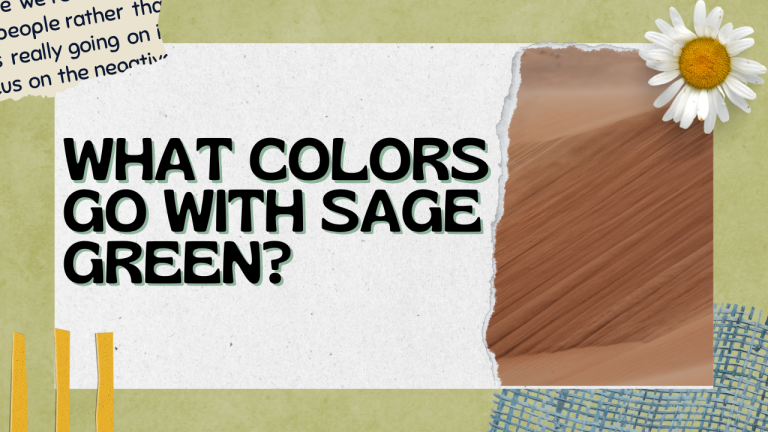
Taupe is an intriguing color that sits in a unique spot on the spectrum, merging the warmth of brown with the coolness of gray. This special combination makes it highly versatile in minimalist design, where it can function as a base or an accent color. Its capacity to change from warm to cool tones based on nearby colors and lighting offers designers remarkable freedom in crafting harmonious spaces.
The Psychology of Neutral Colors in Design
The psychological impact of neutral colors is vital in crafting harmonious environments. Taupe, with its earthy undertones, brings about feelings of stability, comfort, and sophistication. In contrast to the stark whites or bold blacks typically linked to minimalism, taupe provides a gentler alternative that preserves clean lines and a simplified aesthetic while introducing depth and warmth to spaces. This balance is especially effective in fostering calm and focus, which are essential qualities in minimalist design philosophy.
Taupe in Minimalist Home Design
In interior design, taupe has become essential for crafting calm, elegant spaces that reflect minimalist ideals. When used on walls, it serves as an ideal backdrop for architectural elements and thoughtfully selected furniture, allowing them to shine without overpowering the room. Its adaptability is evident in various uses, from painted surfaces to natural materials like stone and wood, where it helps blend different textures and finishes into a unified look.
The color is particularly effective in open-plan living areas, where it can delineate various functional zones while preserving visual harmony. In kitchens and bathrooms, taupe cabinetry presents a refreshing alternative to classic white or wood finishes, infusing warmth and sophistication while remaining timelessly chic. When combined with natural materials and minimalist fixtures, it fosters spaces that feel both modern and inviting.
Fashion Applications and Minimalist Wardrobes
In fashion design, taupe has emerged as a key element in minimalist wardrobes, providing a level of versatility that few other colors can offer. Its neutral tone serves as an ideal base for capsule wardrobes, where every piece needs to complement one another effortlessly. Whether in tailored suits or casual outfits, taupe clothing can be adapted for nearly any occasion, showcasing the color’s impressive flexibility.
The understated elegance of taupe makes it especially useful in professional environments, where it serves as a refreshing alternative to the usual black and gray while still upholding a sense of formality. In casual attire, taupe items can be easily layered and paired with both neutral and vibrant colors, creating limitless styling options while staying true to minimalist aesthetics.
Incorporating Taupe in Modern Design Schemes
Integrating taupe into minimalist design effectively requires a grasp of its distinct qualities and possible uses. In both interior and fashion design, the focus should be on using taupe in a way that adds depth and interest without compromising simplicity. This can be accomplished by carefully layering various shades and textures or by employing taupe as a unifying element among different design components.
The impact of lighting is significant in how taupe is perceived within a space, as the color can change dramatically under varying light conditions. Natural daylight often highlights its warmer undertones, while artificial lighting can bring out its cooler tones. This feature can be leveraged to create environments that feel different throughout the day while still preserving their minimalist character.
The Future of Taupe in Minimalist Design
As design continues to evolve, taupe remains a staple in minimalist aesthetics. Its adaptability to shifting trends, while still being fundamentally versatile, makes it a valuable asset for both designers and homeowners. The increasing focus on sustainable and timeless design solutions further solidifies taupe’s status as a key color in minimalist palettes.
The color’s lasting appeal comes from its ability to foster sophisticated, calming environments that endure over time. In a period where sustainability and longevity in design are highly valued, taupe’s versatility and timeless nature make it an excellent choice for those looking to create enduring minimalist spaces.