Sage green has emerged as one of the most versatile and popular colors in interior design, fashion, and graphic arts. This muted, grayish-green hue evokes the calming essence of nature while offering sophisticated elegance that works in virtually any space. Whether you’re redesigning your living room, updating your wardrobe, or creating a brand identity, understanding what colors go with sage green can help you create harmonious and visually appealing color combinations. This comprehensive guide explores the best color combinations with sage green, providing practical applications and design tips.
Understanding Sage Green’s Unique Characteristics
Before diving into color combinations, it’s helpful to understand what makes sage green such a special color. Sage green is a muted green with gray undertones, named after the sage herb with its soft, dusty green leaves. This color sits between green and gray on the color spectrum, creating a balanced neutral that’s neither too warm nor too cool.

Key characteristics of sage green include:
- A dusty, muted appearance
- Gray undertones that soften the green
- A natural, organic feel
- Adaptability to both modern and traditional aesthetics
- Ability to function as both a neutral and an accent color
These qualities make sage green exceptionally versatile when it comes to color pairings. Let’s explore the most effective color combinations with sage green.
Neutral Color Combinations with Sage Green
Sage green pairs beautifully with neutral colors, creating balanced, sophisticated palettes that work in virtually any space.
Sage Green and White
One of the most classic color combinations with sage green is crisp white. This pairing creates a fresh, clean aesthetic that’s perfect for:
- Kitchens with sage green cabinetry and white countertops
- Bedrooms with sage green walls and white linens
- Bathrooms with white fixtures and sage green accents

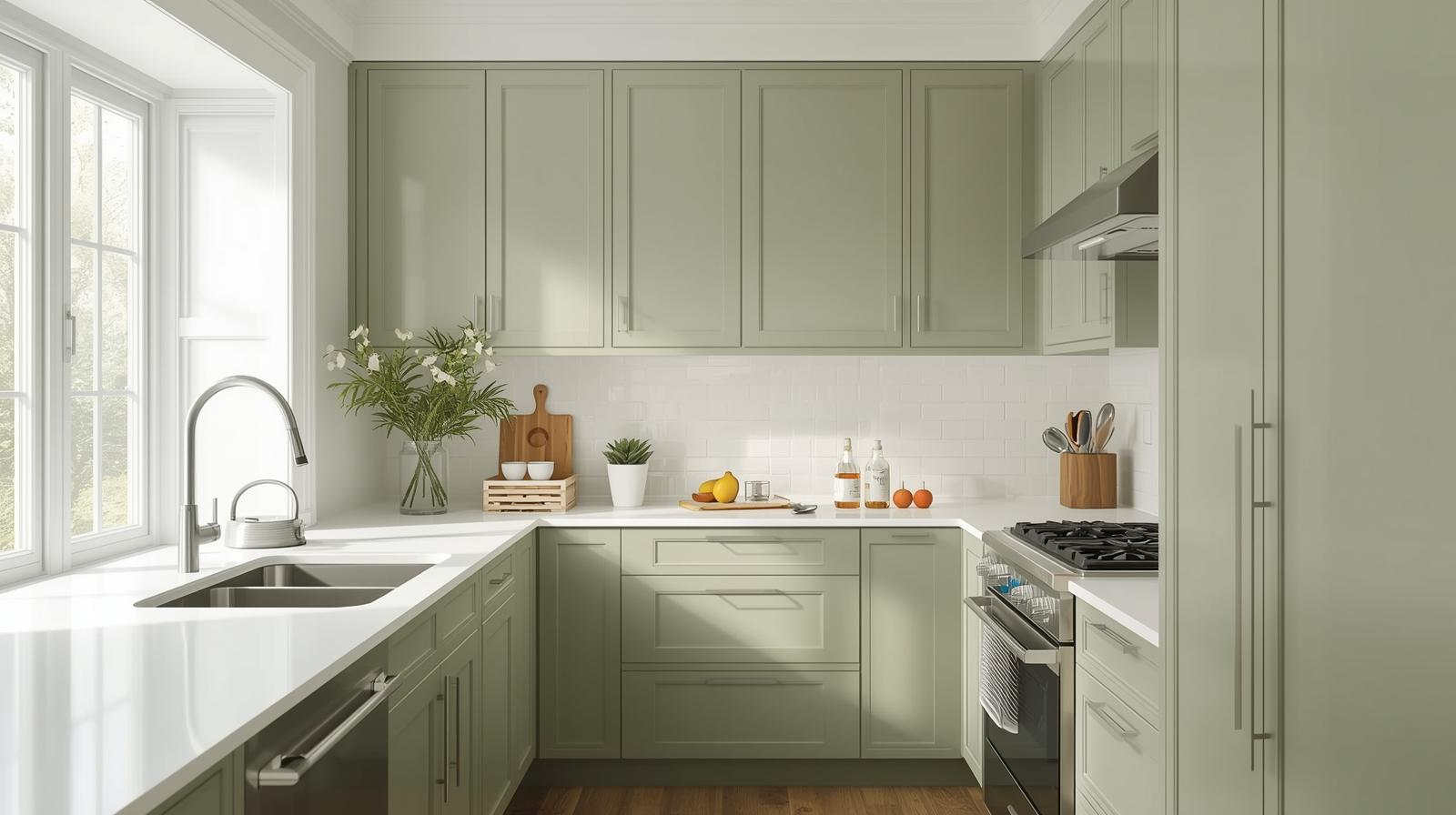
The contrast between sage green and white highlights the subtle beauty of sage while creating a sense of spaciousness and light. For a softer look, consider off-white or cream instead of stark white.
Sage Green and Beige
Sage green and beige create a soothing, earth-toned palette that feels grounded and natural. This combination works particularly well in:
- Living rooms with beige sofas and sage green accent chairs
- Dining rooms with sage green walls and beige curtains
- Home offices with beige desks and sage green organizational accessories
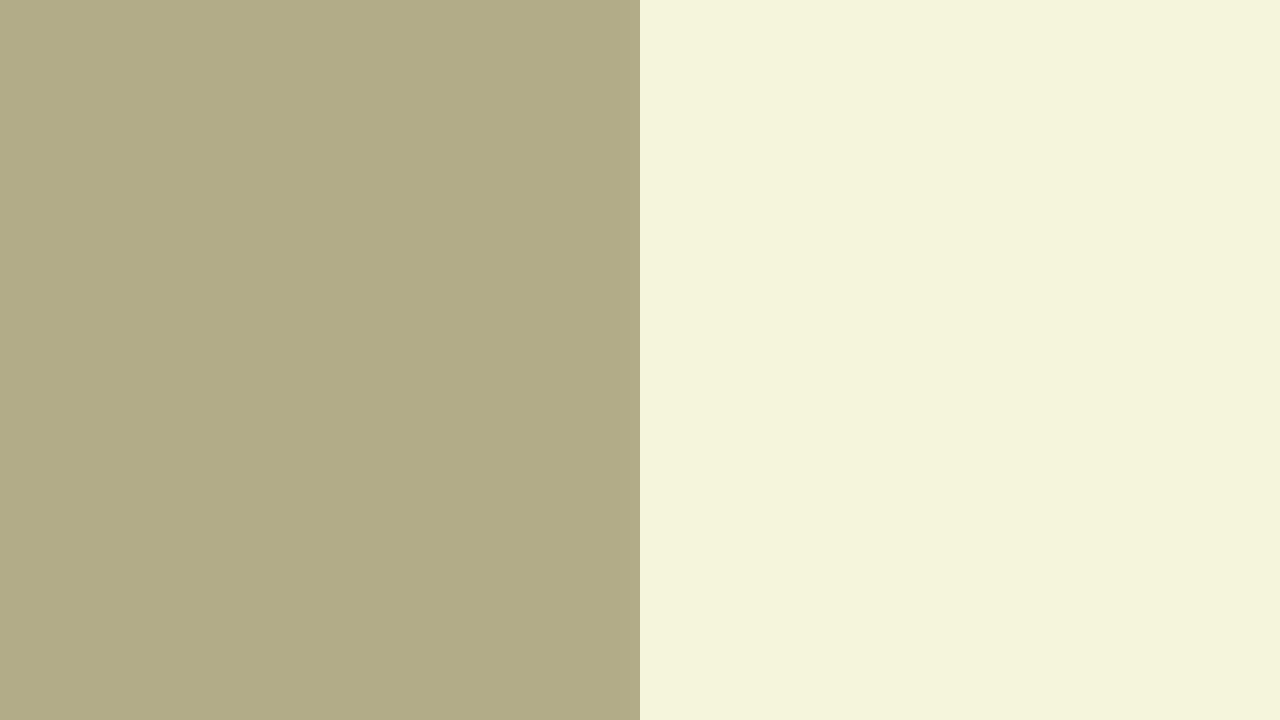
The warm undertones in beige complement the cool undertones in sage green, creating a balanced look that feels cohesive and harmonious.
Sage Green and Gray
Since sage green already contains gray undertones, pairing it with gray creates a sophisticated, monochromatic effect. This combination is ideal for:
- Modern living spaces with gray furniture and sage green walls
- Bedrooms with sage green bedding and gray accent pillows
- Bathrooms with gray tile and sage green towels and accessories
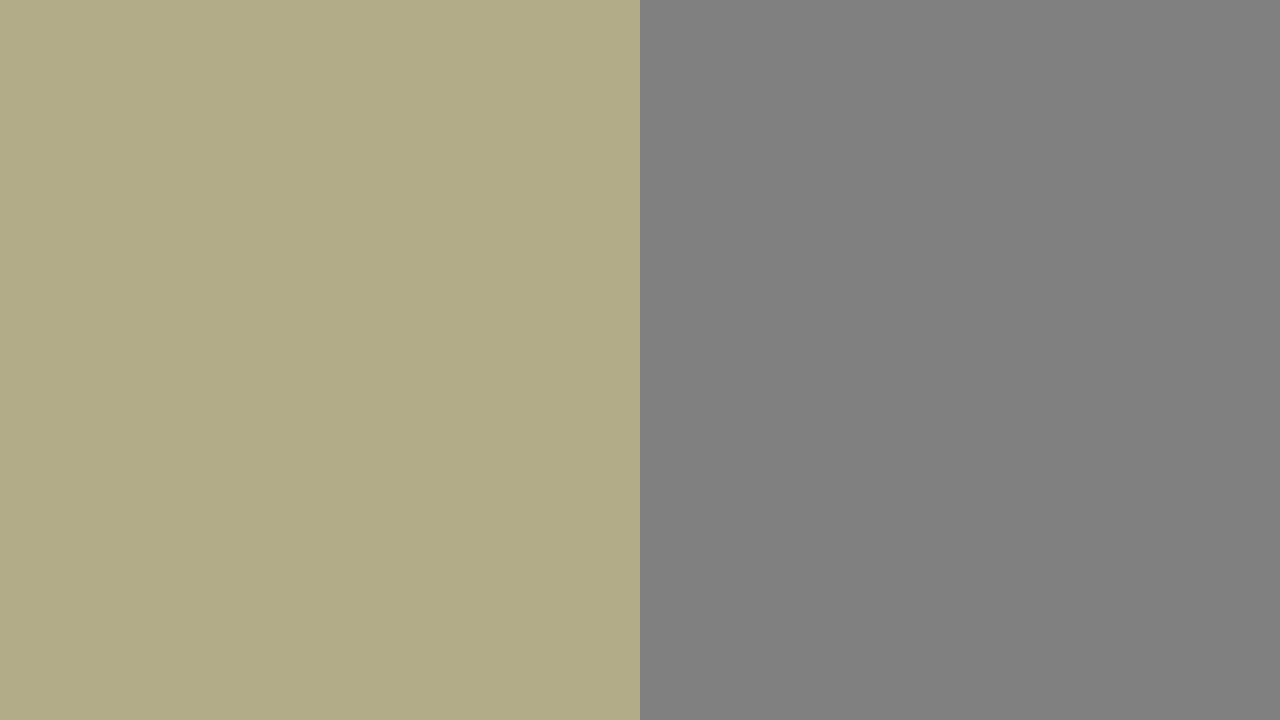
Choose lighter grays for an airy feel or darker charcoal grays for more drama and contrast.
Sage Green and Black
For a bold, contemporary look, pair sage green with black. This high-contrast combination adds sophistication and definition to any space:
- Kitchens with sage green walls and black appliances or fixtures
- Dining rooms with sage green tablecloths and black chairs
- Home offices with black desks and sage green walls

Black accents can ground sage green and prevent it from appearing too soft or muted in larger spaces.
Complementary Color Combinations with Sage Green
Complementary colors sit opposite each other on the color wheel and create dynamic visual interest when paired together.
Sage Green and Dusty Rose
Sage green and dusty rose (a muted pink) create a gentle complementary pairing that’s both sophisticated and on-trend. This combination works wonderfully in:
- Bedrooms with sage green walls and dusty rose bedding
- Living rooms with sage green sofas and dusty rose accent pillows
- Dining rooms with sage green tablecloths and dusty rose napkins or centerpieces
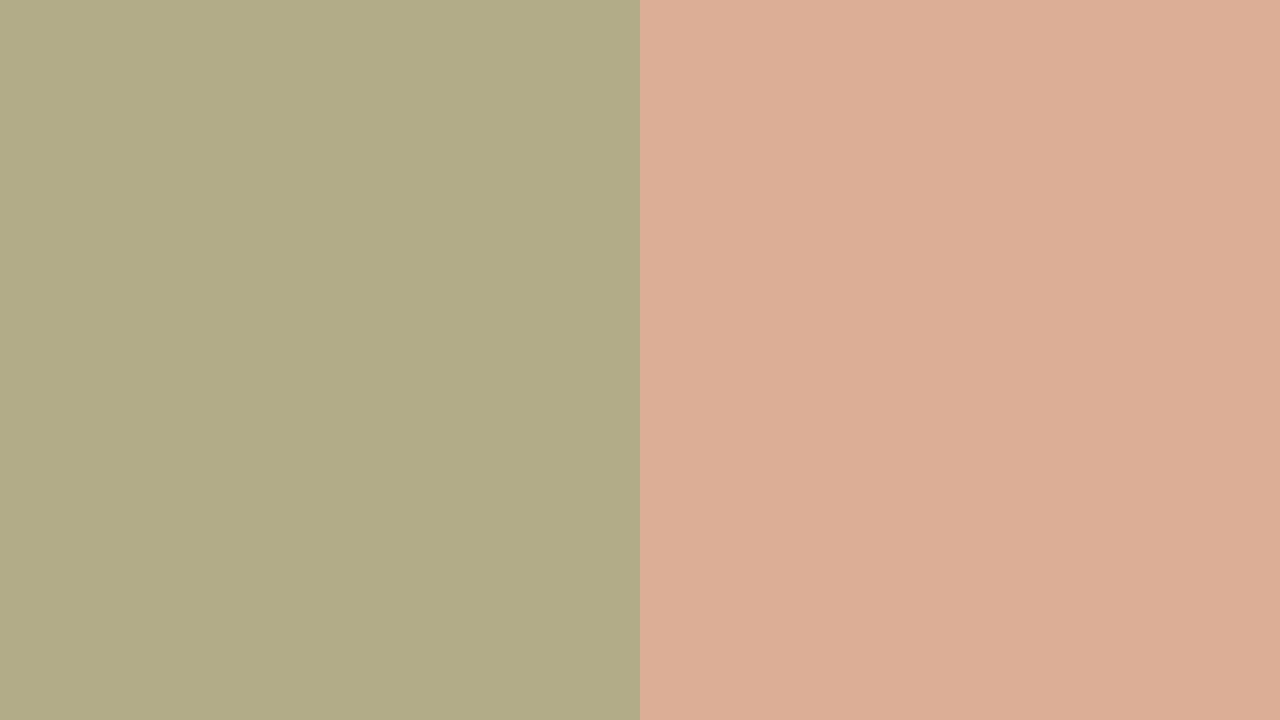
The softness of both colors ensures the combination doesn’t overwhelm the space while still providing visual interest.
Sage Green and Burgundy
For a richer complementary pairing, combine sage green with burgundy or wine tones. This combination adds depth and warmth, perfect for:
- Living rooms with sage green walls and burgundy accent chairs
- Dining rooms with burgundy tablecloths and sage green napkins or centerpieces
- Bedrooms with sage green bedding and burgundy throw pillows
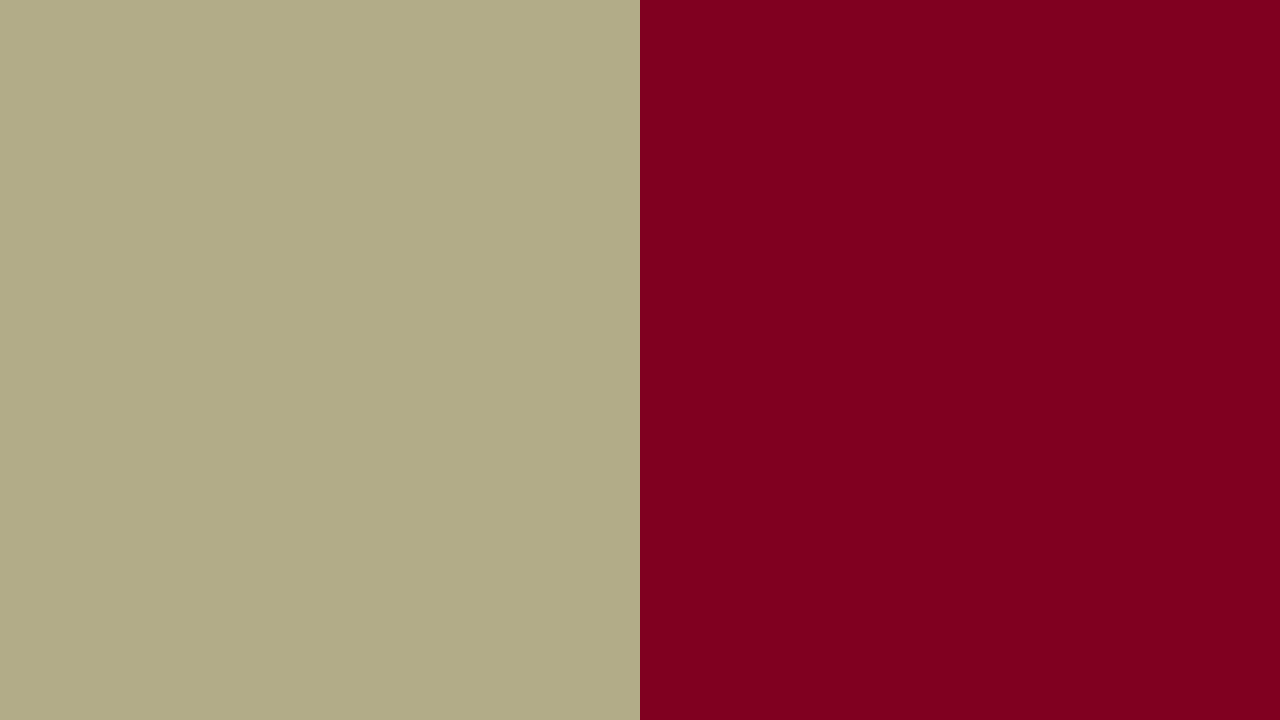
This combination feels particularly appropriate in fall and winter months or in spaces where you want to create a cozy, inviting atmosphere.
Sage Green and Rust Orange
Sage green paired with rust orange creates an earthy, autumnal feel that’s both warm and grounded. Consider this combination for:
- Living rooms with sage green walls and rust orange accents
- Kitchens with sage green cabinetry and rust orange accessories
- Outdoor spaces with sage green furniture and rust orange cushions
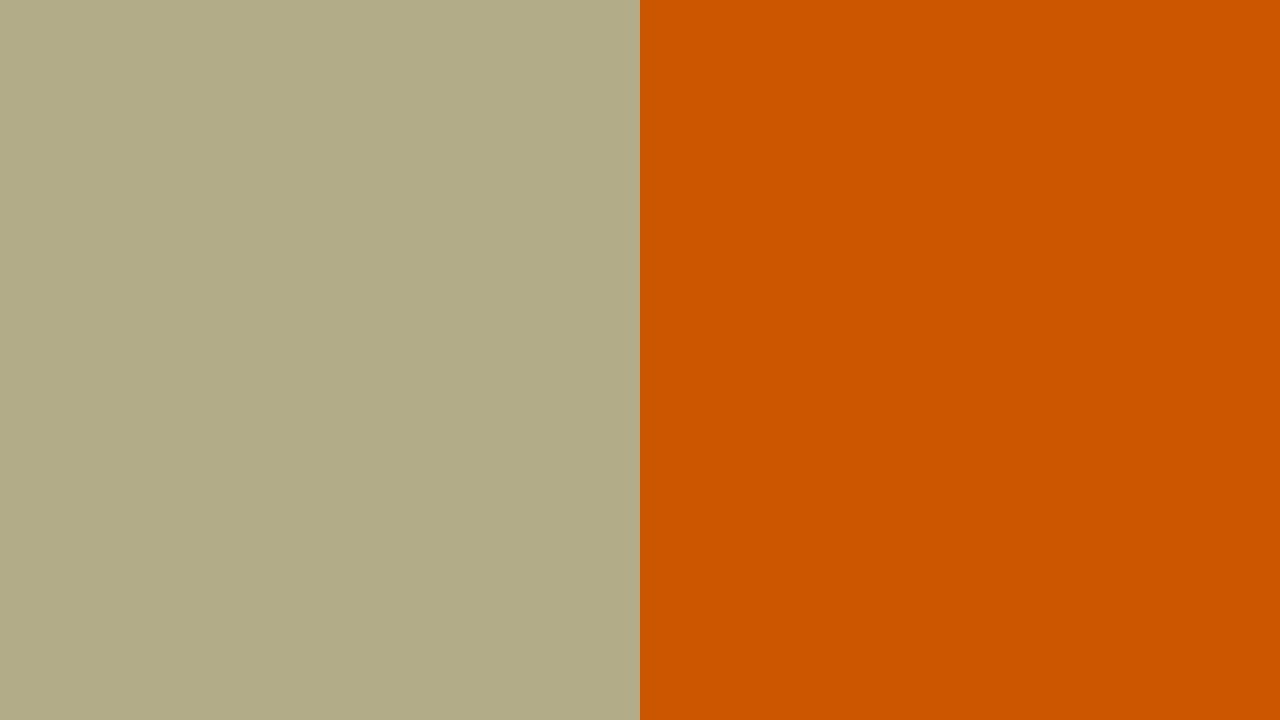
This pairing brings to mind the changing colors of fall foliage, creating a naturally harmonious look.
Analogous Color Combinations with Sage Green
Analogous colors sit next to each other on the color wheel and create harmonious, serene combinations.
Sage Green and Blue
Sage green pairs beautifully with various shades of blue, from navy to teal to sky blue. This combination evokes the colors of nature—think forests meeting the sky or ocean. This pairing works well in:
- Bedrooms with sage green walls and navy blue bedding
- Living rooms with sage green sofas and teal accent pillows
- Bathrooms with sage green walls and sky blue towels
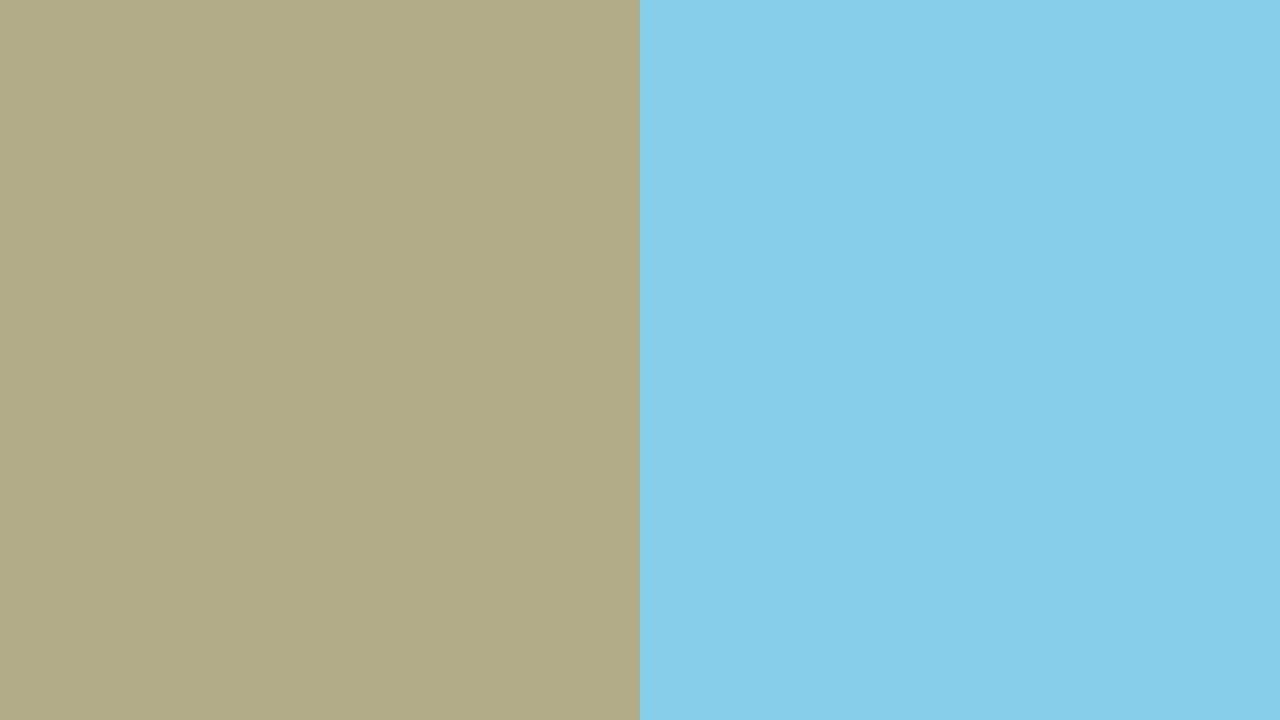
The key to successful sage green and blue combinations is choosing blues with similar saturation levels to your sage green.
Sage Green and Olive Green
For a monochromatic look with dimension, pair sage green with olive green. This combination creates a layered, natural aesthetic perfect for:
- Living rooms with sage green walls and olive green furniture
- Dining rooms with olive green tablecloths and sage green napkins
- Bedrooms with sage green walls and olive green accent pillows
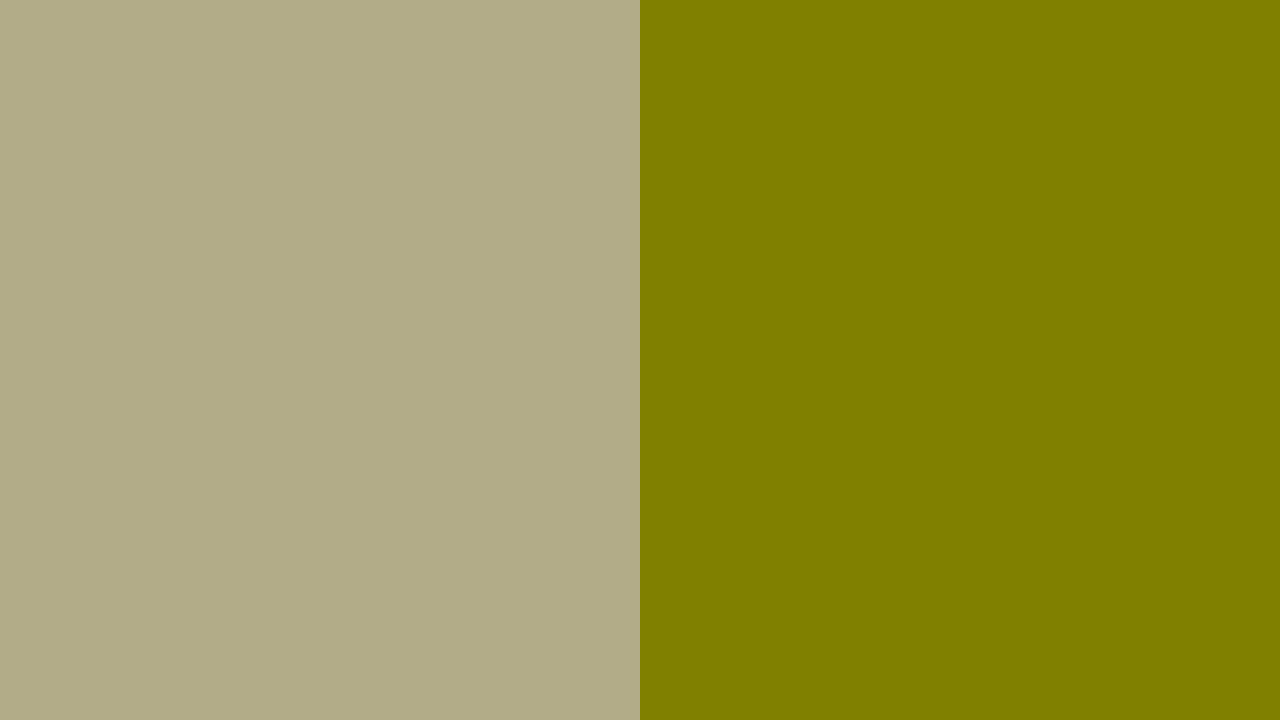
This pairing works because both colors share green as their base but offer different undertones and depths.
Sage Green and Yellow-Green
Adding a touch of yellow-green to a sage green color scheme introduces a fresh, spring-like quality. This combination is ideal for:
- Kitchens with sage green cabinetry and yellow-green accessories
- Sunrooms with sage green furniture and yellow-green plants
- Dining areas with sage green walls and yellow-green tableware
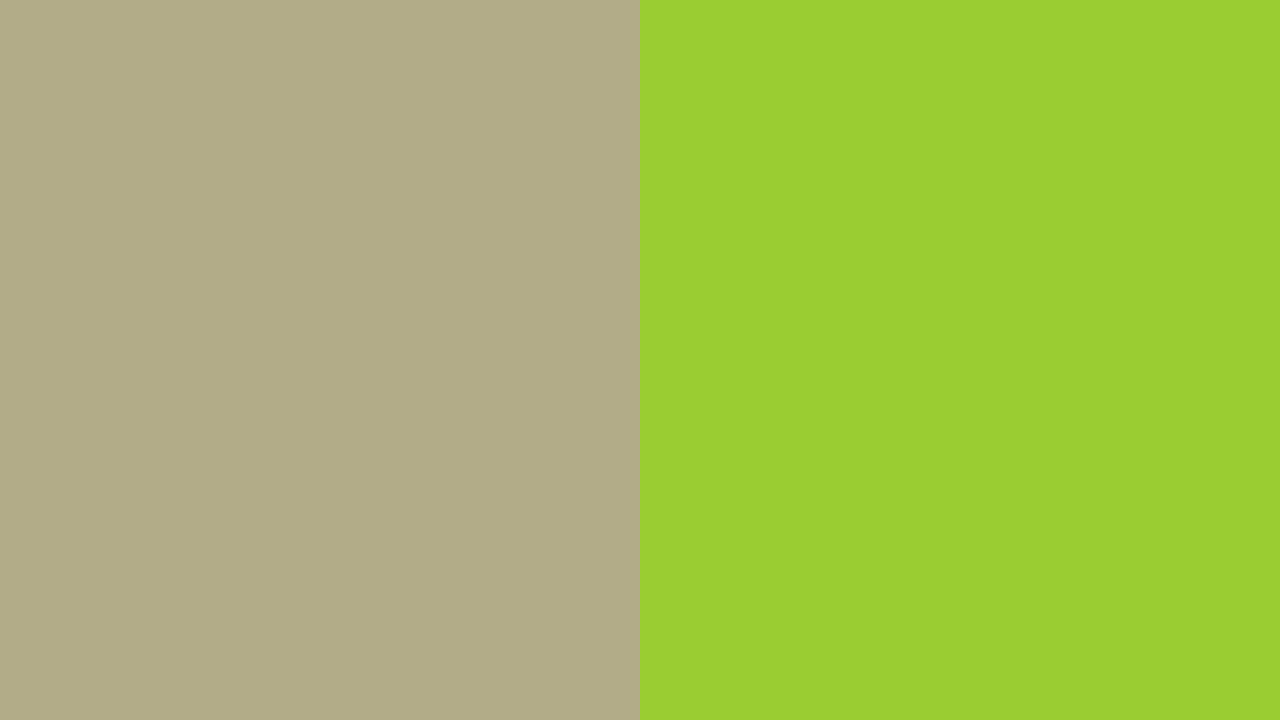
The yellow undertones add warmth and energy to the more muted sage green base.
Practical Tips for Using Sage Green Color Combinations
When implementing sage green color combinations in your space or designs, keep these practical tips in mind:
- Consider lighting: Sage green can appear more gray or more green depending on the lighting conditions. Test your color combinations in the actual space before committing.
- Use the 60-30-10 rule: In interior design, consider using sage green for 60% of the room (walls, perhaps), a complementary or neutral color for 30% (furniture), and an accent color for 10% (accessories).
- Add texture: Sage green looks different across various textures and materials. Consider velvet for richness, linen for casualness, or glossy ceramic for a contemporary feel.
- Start small: If you’re unsure about a color combination, test it with smaller accessories or accent pieces before investing in larger items like furniture or wall color.
- Bridge indoor and outdoor: Sage green’s natural quality makes it perfect for creating a connection between indoor and outdoor spaces. Consider sage green in rooms that overlook gardens or natural settings.
Conclusion
Sage green’s versatility makes it one of the most adaptable colors in design palettes. Whether paired with neutral tones for a calming, sophisticated look, complementary colors for visual interest, or analogous colors for natural harmony, sage green serves as both an excellent foundation color and a beautiful accent. By understanding these effective color combinations with sage green, you can create spaces and designs that feel both timeless and contemporary, bringing the soothing qualities of nature into your environment with a touch of understated elegance.