Butterflies are nature’s living artwork, displaying some of the most vibrant colors found in the animal kingdom. From brilliant blues to fiery oranges, these delicate insects showcase a remarkable palette that captivates our imagination and lifts our spirits. The psychology of color suggests that different hues affect our emotions in various ways – much like how butterfly colors serve different purposes in the natural world. Let’s explore ten of the most colorful butterfly species that demonstrate nature’s extraordinary artistic abilities.
The Science Behind Butterfly Colors
Before diving into our colorful countdown, it’s worth understanding what makes butterfly wings so vibrant. Butterfly colors come from two main sources:
Pigments are natural color-producing chemicals in the wings. These create most yellows, oranges, and browns we see in butterflies.
Structural color is a fascinating phenomenon where no actual pigment is present. Instead, microscopic physical structures in the butterfly wing scales reflect, refract, and scatter light in specific ways. This creates the most brilliant blues, violets, and iridescent colors that seem to shift and change as viewing angles change. Unlike pigment-based colors, structural colors never fade over time, which is why museum specimens can retain their brilliant blue hues for centuries.
Melanin, the same pigment that determines human skin and hair color, is particularly important in butterflies. It creates the blacks and browns in their wings and can be concentrated to create different patterns and intensities.
Genes play a crucial role in determining butterfly coloration. Specific genes control the development of wing patterns, pigment production, and scale structure. Through genetic inheritance, butterflies pass down their color traits to offspring.
Butterfly wing scales are tiny overlapping structures that cover the wings like tiles on a roof. Each scale can contain pigments or be structured to reflect certain wavelengths of light. These scales number in the thousands on each wing and create the powdery texture butterflies are known for.
The complex wing patterns serve several purposes – from attracting a mate to warning predators of toxicity. In many species, males and females display different colors and patterns, a phenomenon known as sexual dimorphism. Males often have brighter colors on their forewings to attract females while blending with their surroundings when at rest.
Top 10 Most Colorful Butterflies
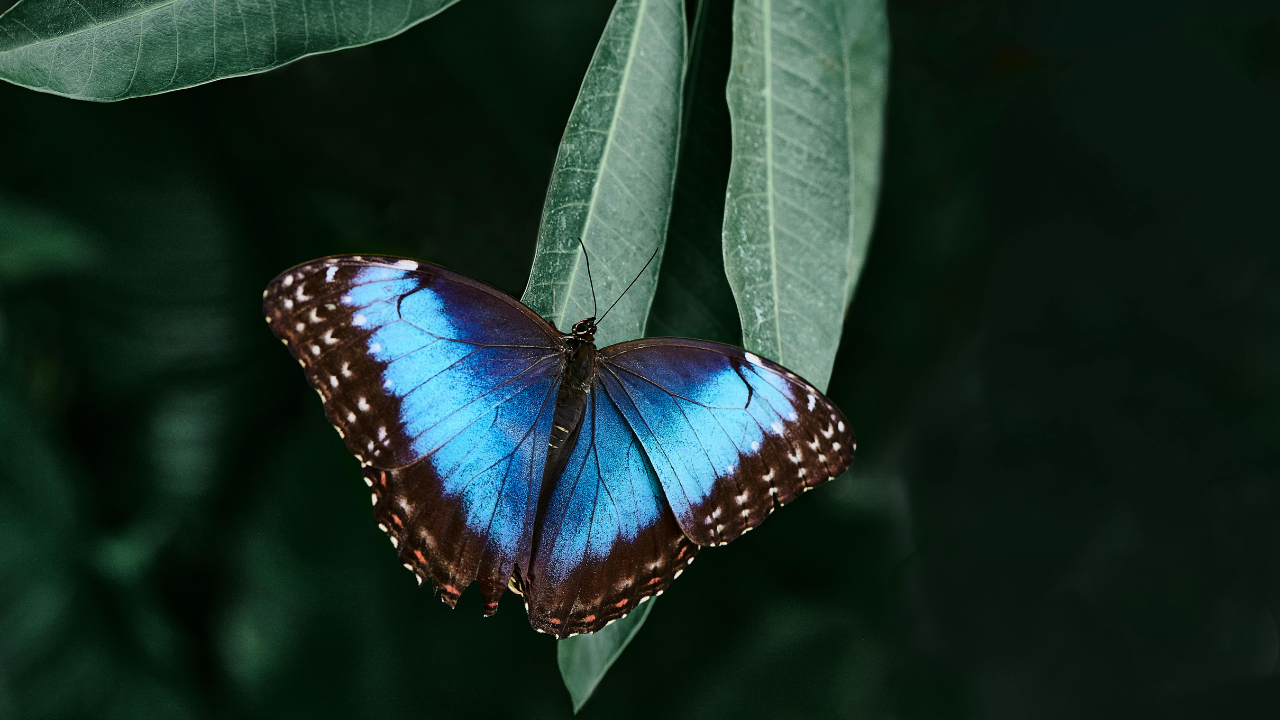
1. Blue Morpho Butterfly
The Blue Morpho is perhaps the most famous of all blue butterflies. Native to Central and South America, its wings flash an iridescent blue that can be seen from remarkable distances. This spectacular color isn’t from pigment but results from structural color – microscopic scales that reflect blue light while absorbing other wavelengths. The underside of its wings features a completely different pattern for camouflage.
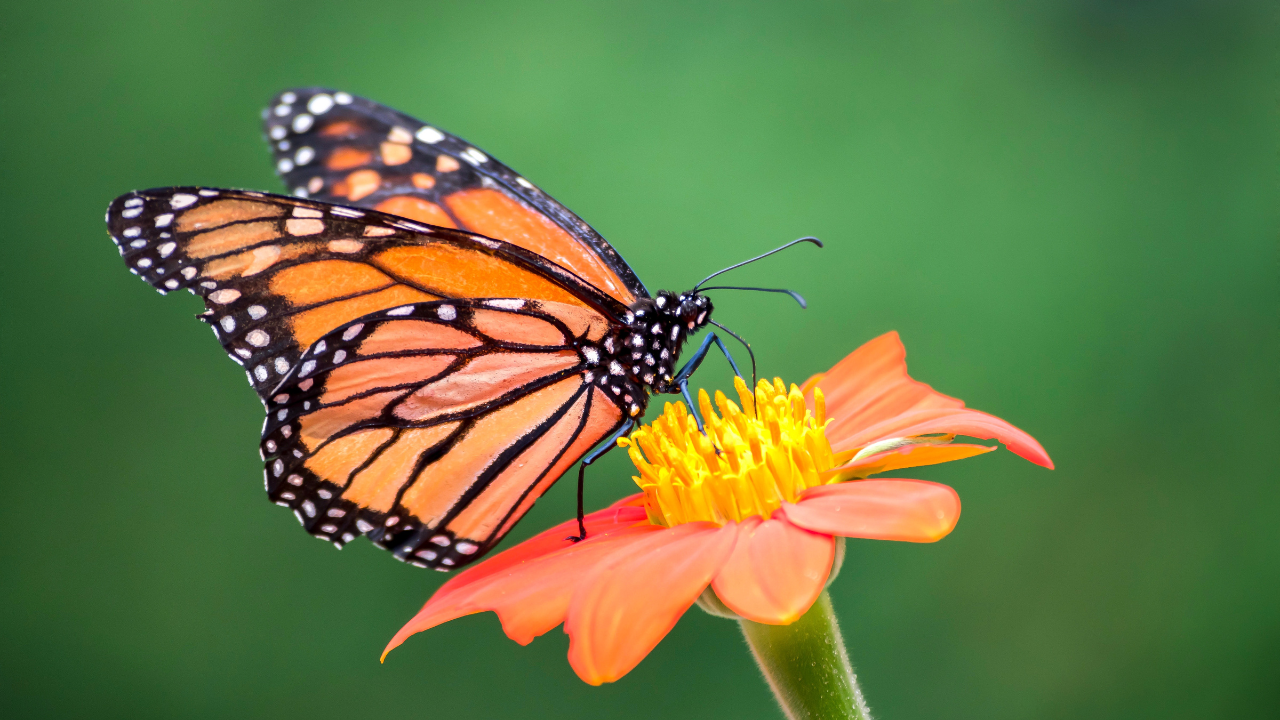
2. Monarch Butterfly
Monarch butterflies are instantly recognizable with their bright orange wings crossed by black veins and bordered with white spots. This distinctive coloration serves as a warning to predators that they are toxic if eaten. Their annual migration across North America is one of nature’s most spectacular events, with orange skies created by thousands of butterflies traveling together.
3. Painted Lady
With a sophisticated pattern of orange, black, and white, the Painted Lady is found on every continent except Antarctica and Australia. Its wing patterns include beautiful eyespots that help deter predators. The warm orange tones are believed to evoke feelings of energy and enthusiasm in color psychology.
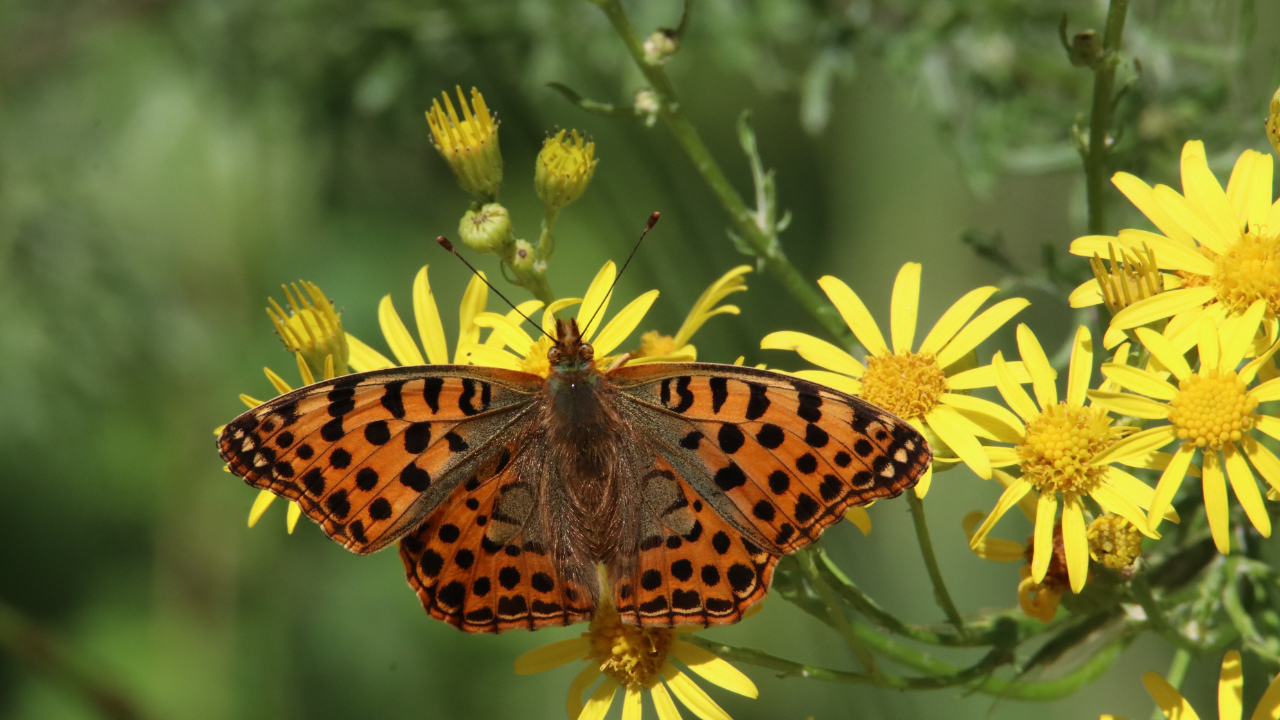
4. Eastern Tiger Swallowtail
True to its name, this butterfly features bold yellow and black stripes reminiscent of a tiger. The females can appear in two forms – the typical yellow form or a darker blue-black variation. These yellow butterflies are common throughout eastern North America, with distinctive tails on their hind wings that may misdirect predator attacks away from their vital body parts.
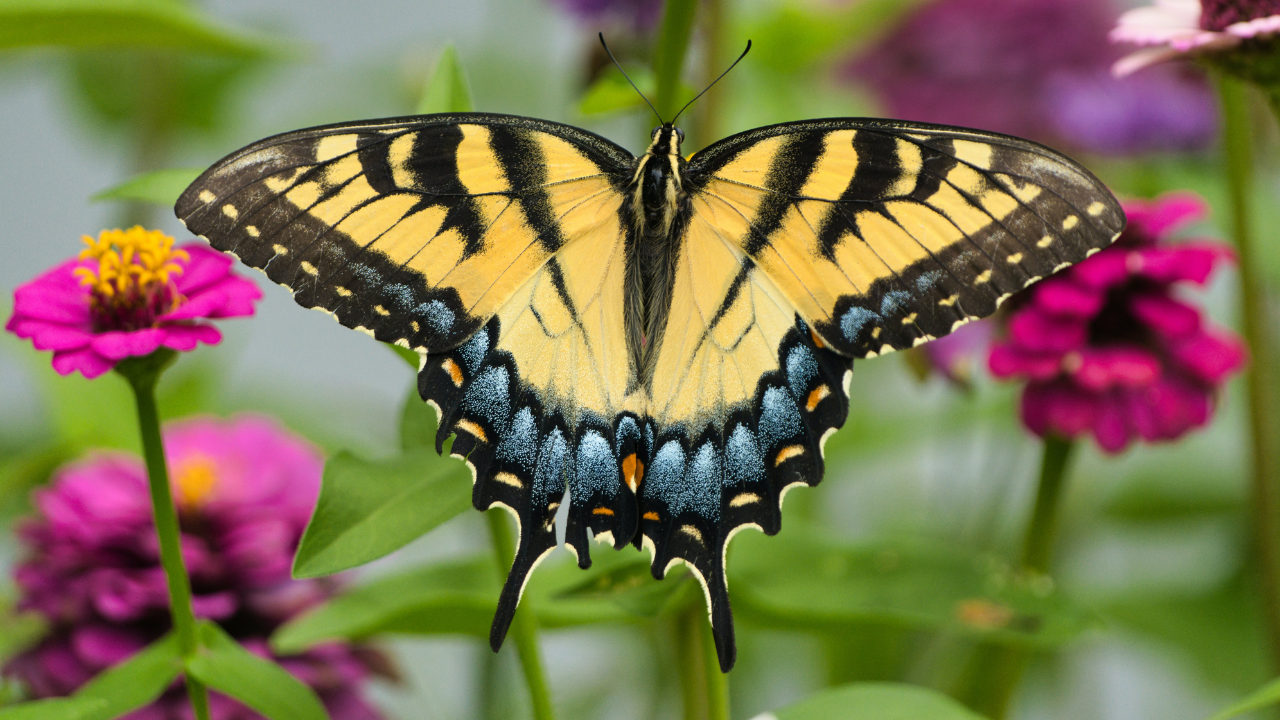
5. Gulf Fritillary
One of the most striking orange butterflies, the Gulf Fritillary displays rich orange forewings spotted with black markings. The undersides flash with silver spots that sparkle in sunlight. Native to the southern United States and tropical America, these vibrant insects are important pollinators whose passion flower host plants contribute to their toxicity and warning coloration.
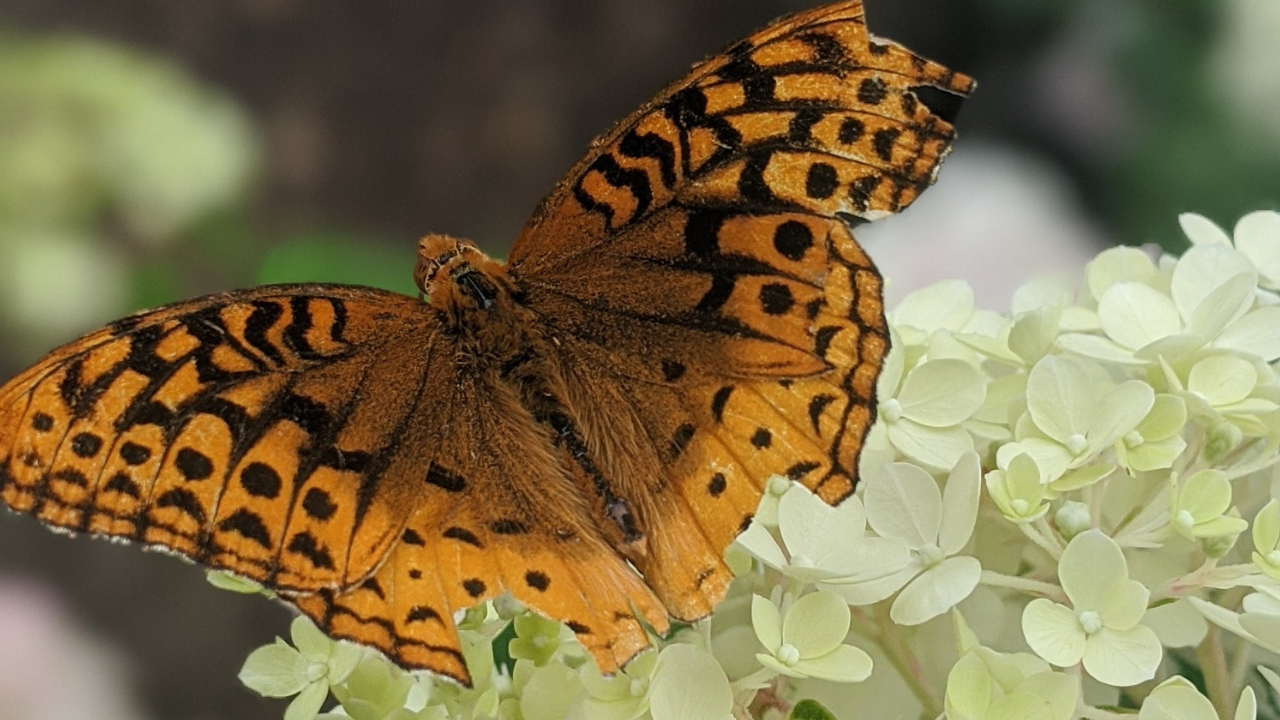
6. Peacock Butterfly
The Peacock butterfly earns its name from the large eyespots on its wings that resemble the familiar pattern on peacock feathers. These dramatic markings serve to startle predators. The bright colors create an impressive display when the butterfly feels threatened and suddenly opens its wings, often scaring away birds and other potential threats.
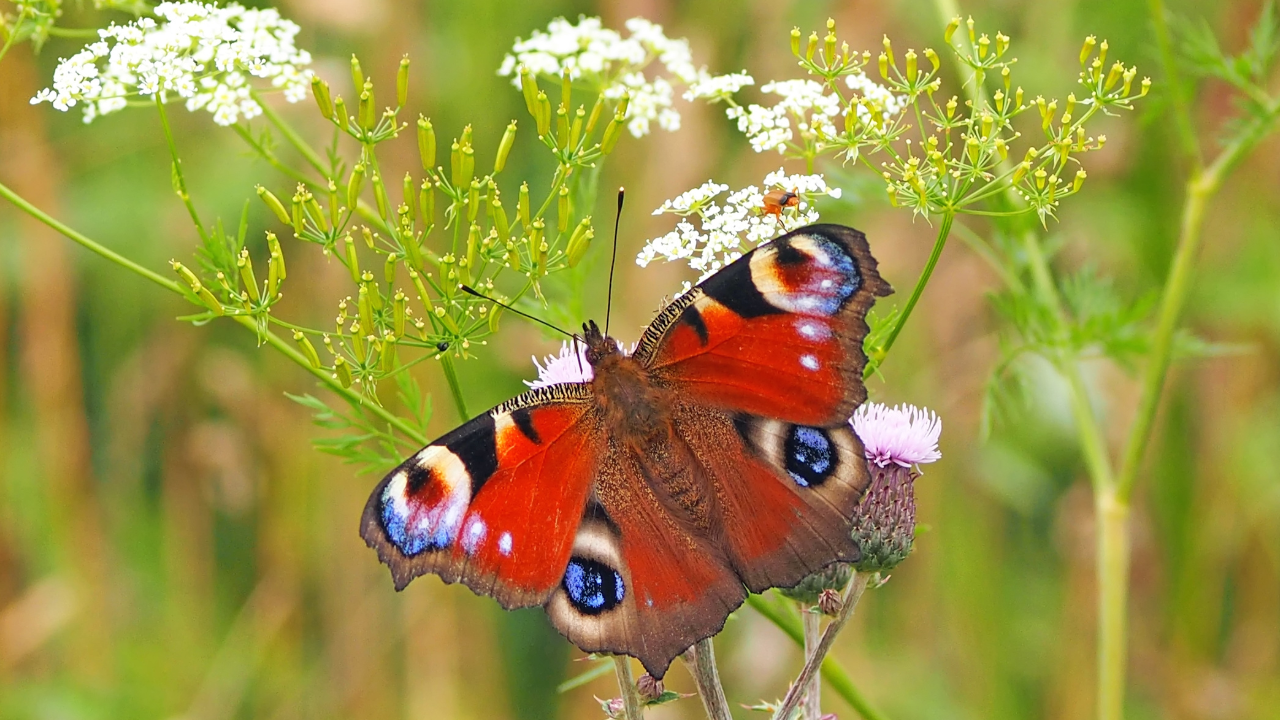
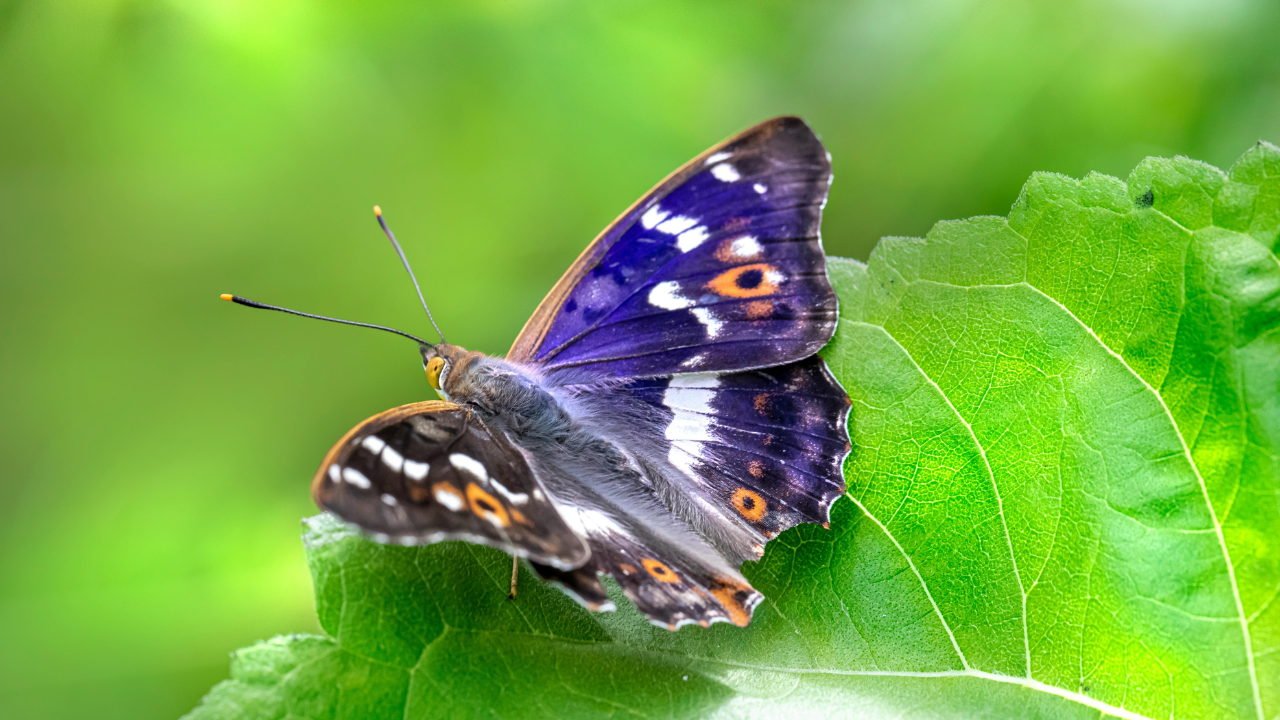
7. Purple Emperor
This butterfly lives up to its royal name with wings that shine with a rich iridescent blue with purple overtones in males. This coloration is another perfect example of structural color at work. Females lack this coloration, instead showing a pattern of brown and white. Found in woodland areas across Europe, these butterflies blend perfectly with their forest surroundings and are known to be surprisingly territorial.
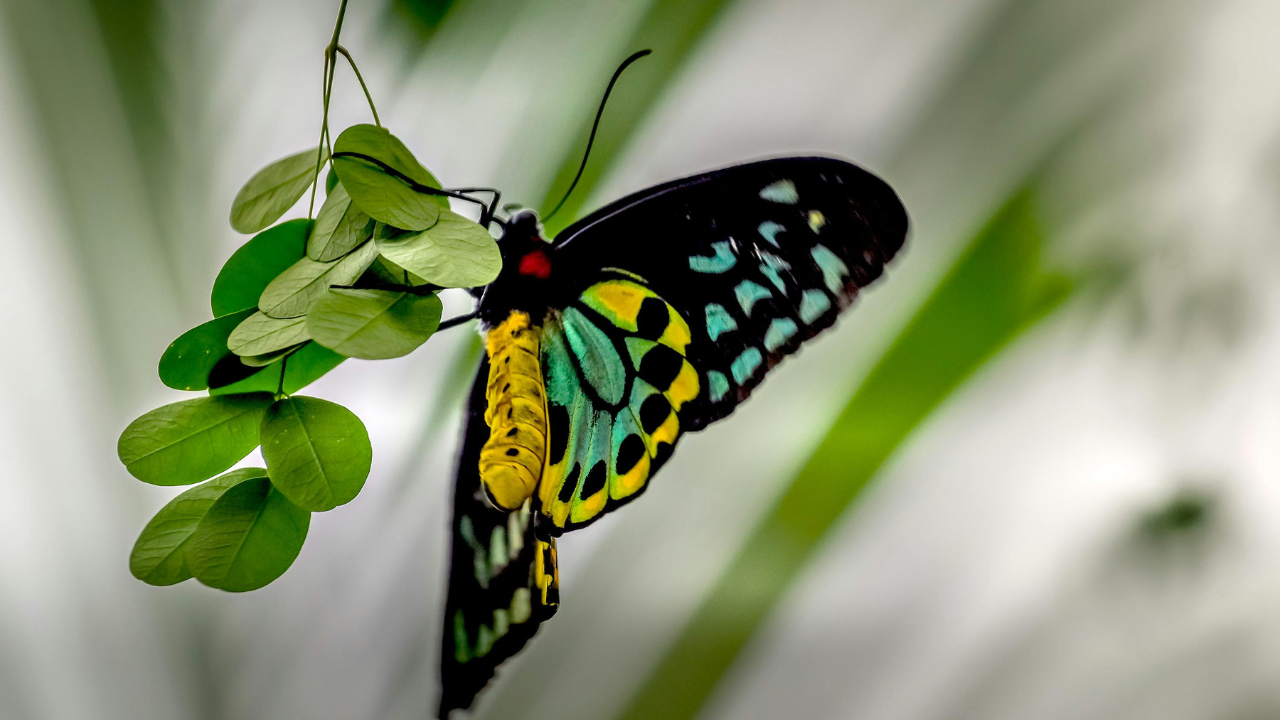
8. Birdwing Butterflies
As members of the swallowtail family, birdwings are among the largest butterfly species in the world. The Rajah Brooke’s birdwing displays a striking pattern of black wings with electric green stripes and patches – another example of structural color. Their wingspan can reach over 6 inches, making them truly spectacular when in flight and helping them find a mate across long distances.
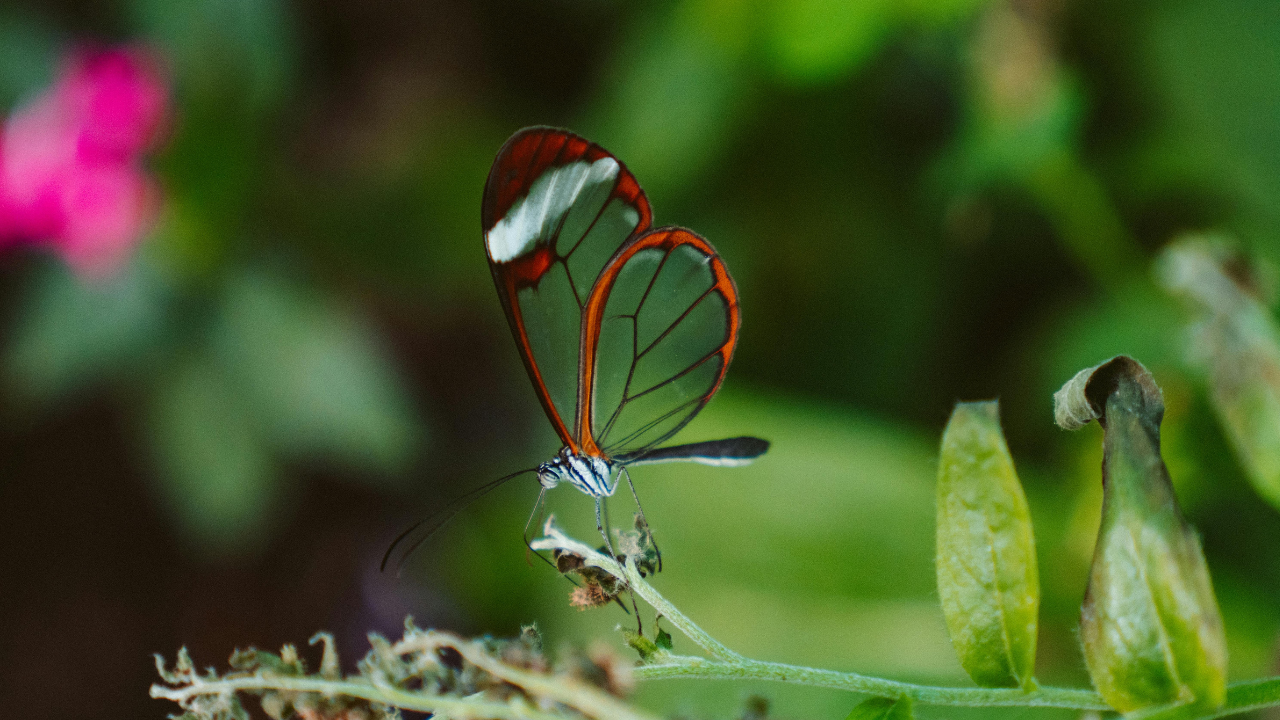
9. Glasswing Butterfly
Unlike most colorful butterflies, the Glasswing stands out by being transparent! The central portion of its wings lacks the colored butterfly wing scales found in other species, creating a clear “window” that makes them nearly invisible when flying through their rainforest surroundings. This remarkable adaptation demonstrates that sometimes the absence of color can be just as striking as vibrant hues.
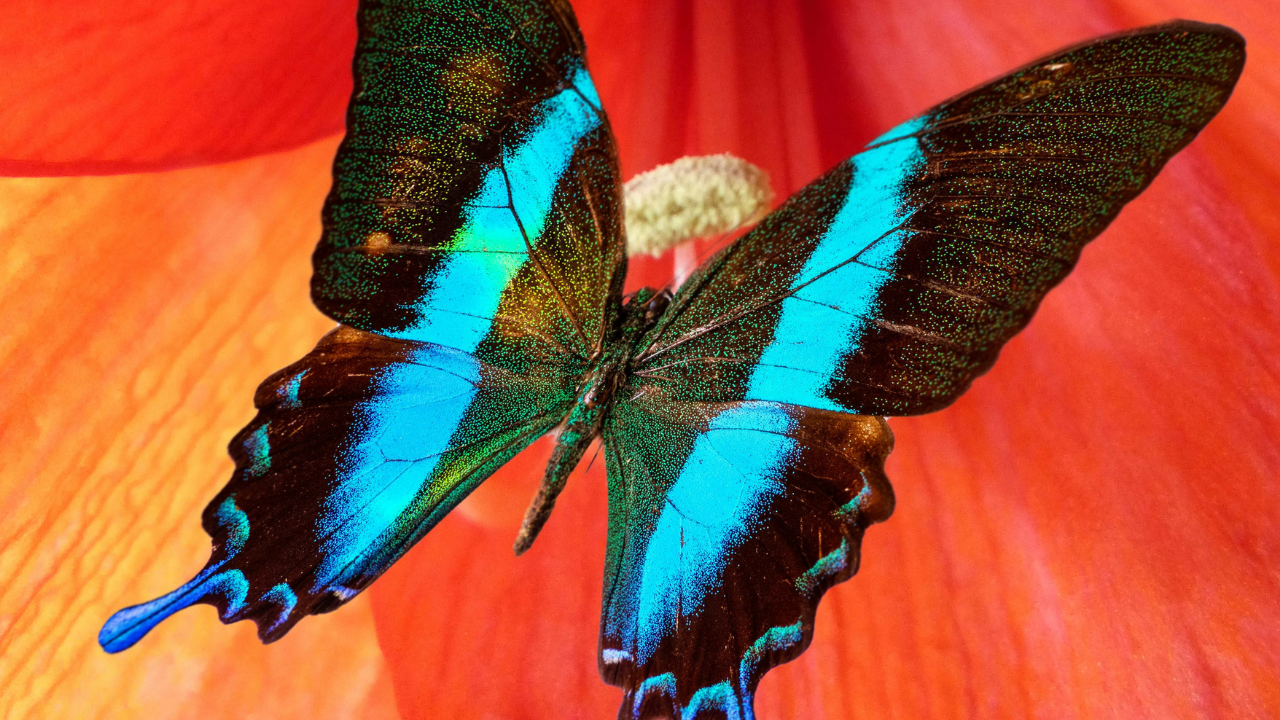
10. Ulysses Butterfly
Also known as the Blue Mountain Butterfly, the Ulysses features vibrant iridescent blue forewings edged with black. Native to Australia, New Guinea, and surrounding islands, this blue butterfly appears as a flash of brilliant azure when flying, then seemingly disappears when it closes its wings to reveal the brown undersides – a perfect example of how butterflies use color strategically in different contexts.
The Psychology of Butterfly Colors
Butterfly colors affect us on an emotional level, much like other elements in nature. The vibrant oranges of Monarchs evoke feelings of warmth and energy. The dazzling blues of the Morpho and Ulysses butterflies create sensations of tranquility and wonder. The bright yellows of Swallowtails bring feelings of happiness and optimism.
Each specific hue has its own psychological impact. Red tones in butterfly wings tend to trigger attention and excitement, while green patterns create feelings of balance and harmony. Many butterfly species have evolved colors that help them blend with their surroundings or stand out to attract a potential mate.
The fact that some of the most spectacular butterfly colors come from structural color rather than pigments reminds us that appearances can be created through different means – sometimes through what we add (pigments) and sometimes through how we arrange what’s already there (structures). This principle extends to the psychological environments we create in our homes and workplaces.
Conclusion
Butterflies offer us more than just visual delight—they provide a connection to nature’s artistry and a reminder of the psychological impact colors have on our wellbeing. From the warning oranges of the Monarch to the tranquil iridescent blue of the Morpho, these winged insects teach us about the spectrum of beauty and emotion that colors can convey.
The intricate arrangement of butterfly wing scales creates a natural masterpiece, while their ability to use color for finding a mate or avoiding predators shows nature’s brilliant functionality. The phenomenon of structural color demonstrates how nature achieves its most brilliant effects not through complex chemicals but through precise microscopic structures – a lesson in elegant design that has inspired biomimetic technologies from non-toxic paints to anti-counterfeiting measures.
Research into butterfly genes continues to reveal how these complex color patterns evolve and develop, offering insights into the broader workings of genetics and evolutionary biology. The genetic blueprints for these colors represent millions of years of natural selection and adaptation to various ecological niches and environmental pressures.