Throughout human history, flowers have served as a powerful language of emotion, transcending spoken words to communicate the deepest human experiences. Among these botanical messengers, purple flowers hold a particularly profound significance, especially in the realm of death and remembrance. Their rich, complex hue speaks to the intricate nature of human grief, spiritual transition, and the delicate boundary between life and mortality.
The relationship between flowers and human emotions is as old as civilization itself. From ancient burial rituals to modern memorial services, flowers have been silent witnesses to humanity’s most profound moments of loss and reflection. Purple flowers, in particular, emerge as a nuanced symbol that captures the complexity of death – not as a simple ending, but as a transformative journey that bridges the physical and spiritual worlds.
This exploration will delve deep into the world of purple flowers, unraveling their symbolic meanings, historical significance, and psychological impact. We will journey through cultural interpretations, examine specific flowers and their unique stories, and understand how these delicate blooms help humans process the most challenging of human experiences – the loss of those we love.
The Symbolic Power of Purple
Purple has always been a color of mystery and depth. Throughout history, this royal hue has been connected to spirituality, transformation, and the transition between life and death. In many cultures, purple flowers are not simply seen as morbid symbols, but as respectful representations of the complex emotions surrounding loss and remembrance.

The color purple itself carries significant weight in human history. In ancient times, purple dye was incredibly rare and expensive, often reserved for royalty and religious leaders. This historical significance adds layers of meaning to purple flowers, elevating them from simple botanical specimens to powerful symbols of respect, dignity, and the sacred passage of life.
Cultural Interpretations of Purple Flowers in Mourning
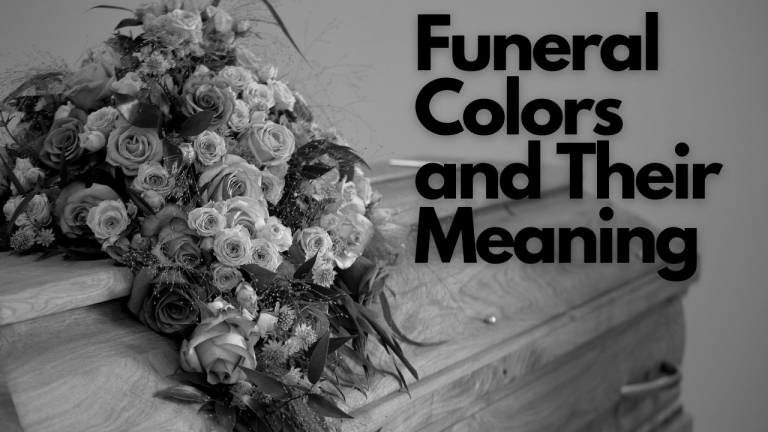
Different cultures interpret purple flowers in unique ways when it comes to death and mourning. In Western traditions, purple is often associated with dignity, sorrow, and the profound respect we hold for those who have passed. This connection goes beyond simple color symbolism and touches on deep emotional and spiritual meanings.
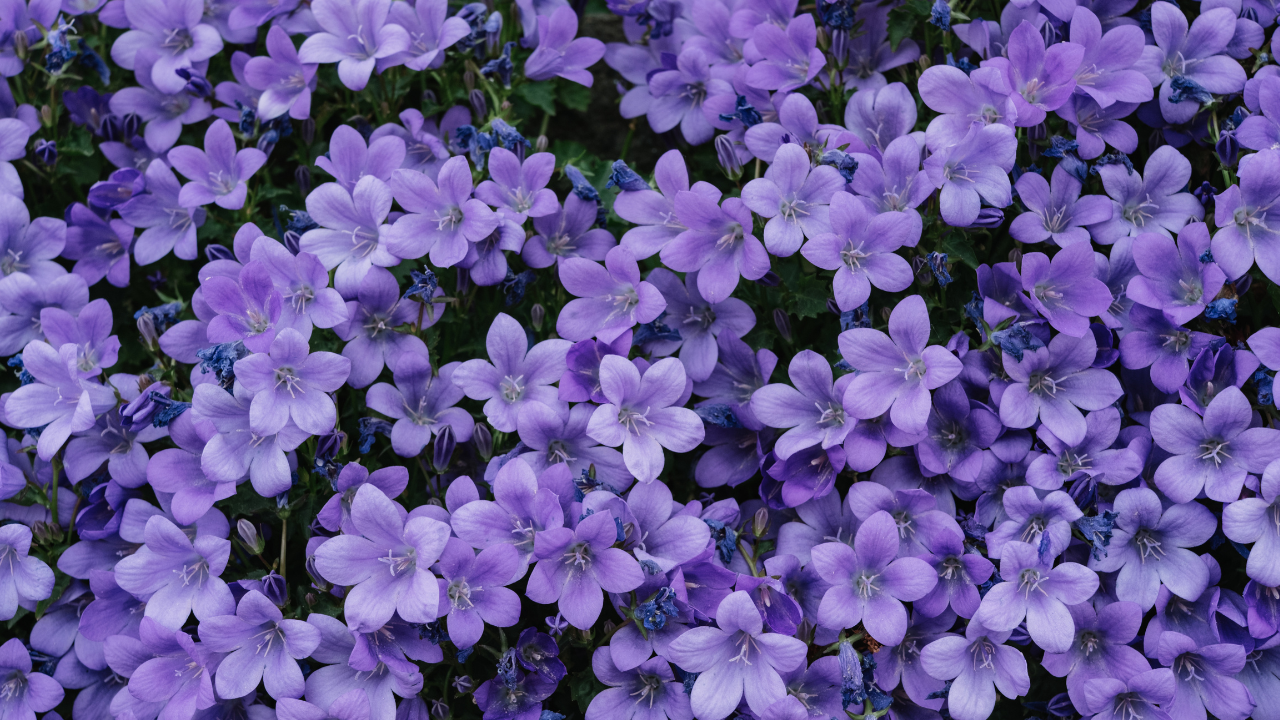
Eastern cultures also have rich interpretations of purple flowers in mourning rituals. In some Asian traditions, purple represents the delicate balance between life and death, the spiritual journey, and the transformation of the soul. These interpretations highlight the universal human desire to find meaning and comfort in the face of loss.
Lilacs: Memories and Remembrance
Lilacs are perhaps the most significant purple flowers associated with mortality. Their delicate clusters and soft purple hues represent the tender memories we hold of loved ones who have died. In many funeral traditions, lilacs symbolize the continuation of memory and the beauty of remembrance. The flower’s brief but intense blooming period mirrors the fragility of life itself.
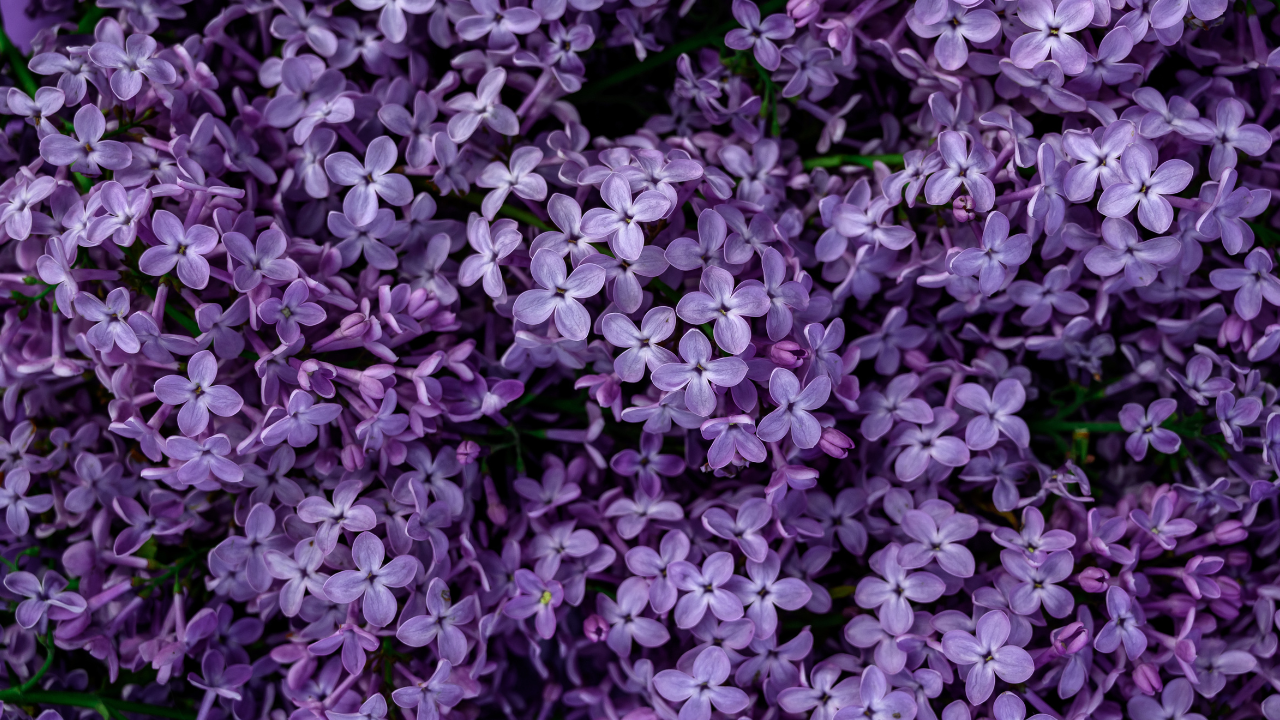
The scent of lilacs is particularly powerful. Many people report that the fragrance of these flowers can trigger memories of lost loved ones, creating a sensory connection to those who have passed. This emotional resonance makes lilacs more than just a flower – they become a living memorial.
Lavender: Spiritual Transition
Lavender occupies a special place in the symbolism of death and spiritual transition. Its soft purple color and calming fragrance represent peace and the gentle passage of the soul. In many spiritual practices, lavender is used in mourning rituals to provide comfort and represent the hope of peaceful transition.
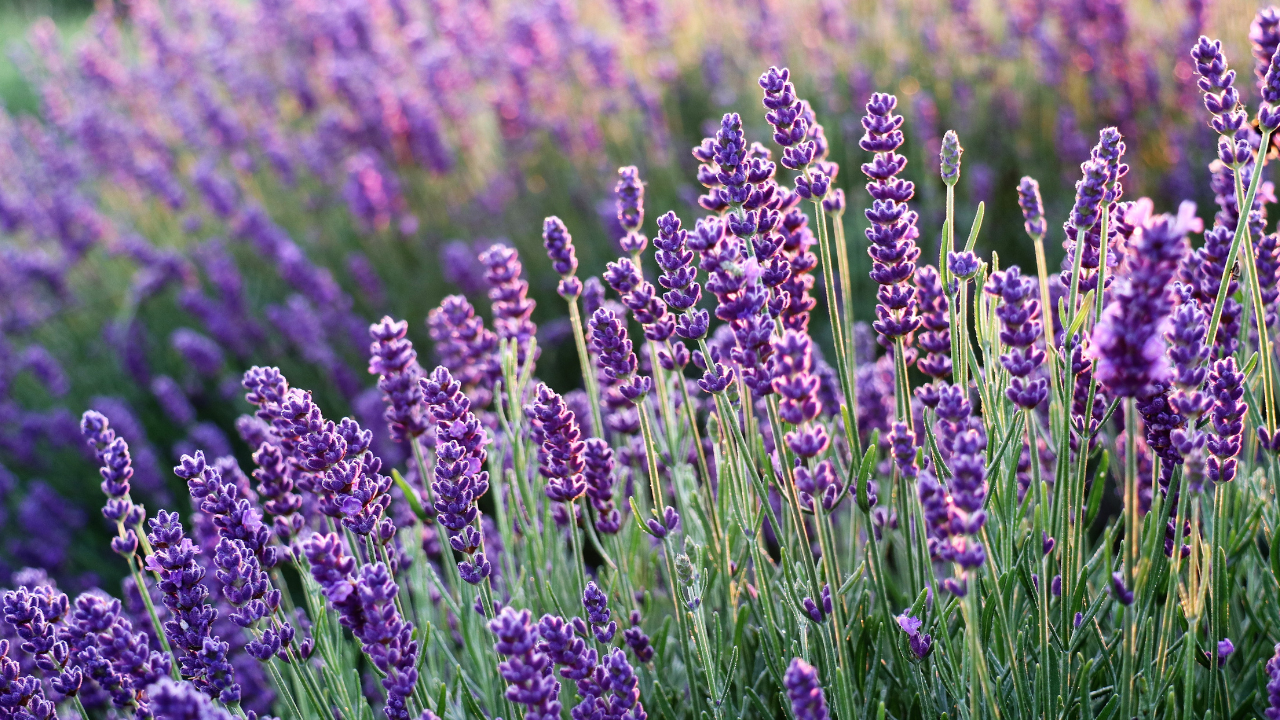
Beyond its symbolic meanings, lavender has practical applications in grief support. Its calming properties have been used in aromatherapy to help individuals process grief, reduce anxiety, and find moments of peace during difficult times.
Historical Significance of Purple in Mourning Traditions
The connection between purple flowers and death is not a modern invention. Ancient cultures recognized the profound symbolism of this color. In Roman and Byzantine empires, purple was reserved for royalty and used in mourning rituals for important leaders. This historical context adds depth to our modern understanding of purple as a color of remembrance.
Archaeological evidence suggests that purple flowers were used in burial ceremonies as far back as ancient Egyptian times. Burial sites have revealed purple-hued flowers placed with the deceased, indicating a long-standing belief in their spiritual significance.
Psychological Impact of Purple Flowers in Grief
Purple flowers play a significant role in the psychological process of mourning. Their unique color provides a sense of dignity and respect that helps people navigate the complex emotions of loss. When words fail, these flowers communicate compassion, understanding, and the hope of healing.
Psychological studies have shown that color can significantly impact emotional processing. The depth and complexity of purple can help individuals express and work through grief in ways that words cannot capture. It offers a visual language of mourning that is both profound and gentle.
Popular Purple Flowers Associated with Death and Mourning
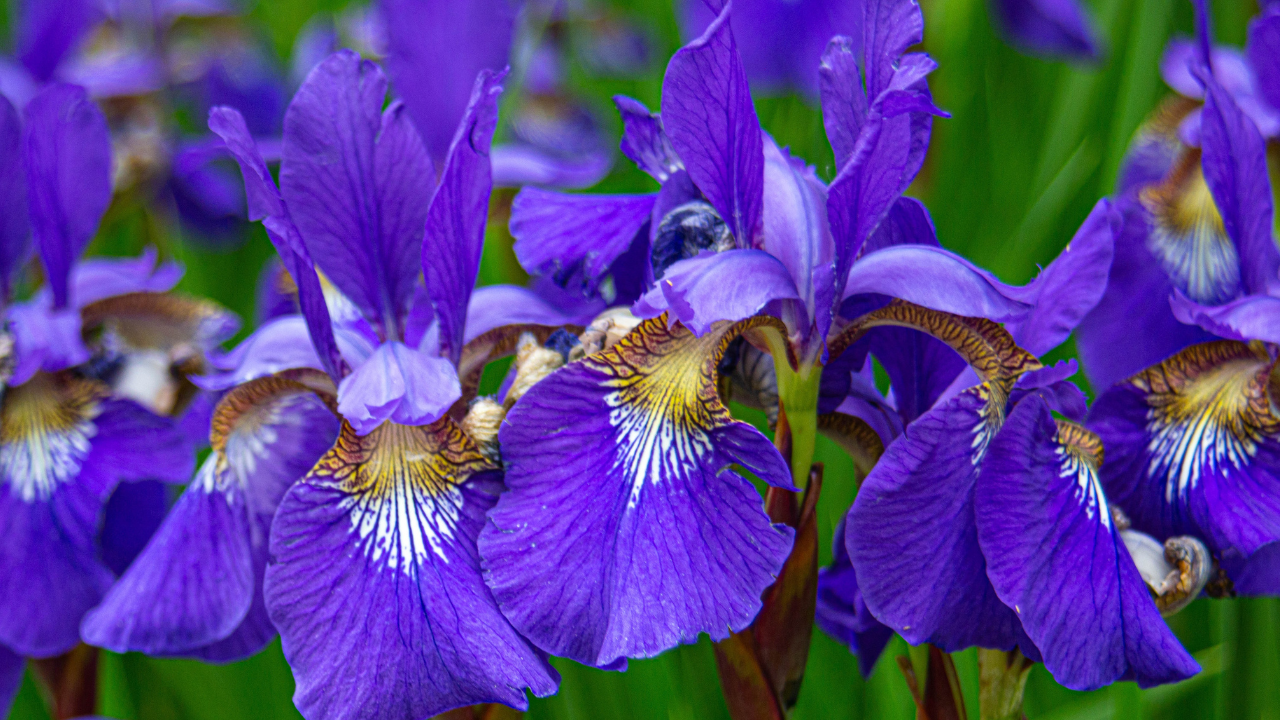
Iris: Known as the flower of the dead in many Mediterranean cultures, iris represents the connection between the living and spiritual worlds. Its elegant purple petals are often used in funeral arrangements to symbolize wisdom and hope.
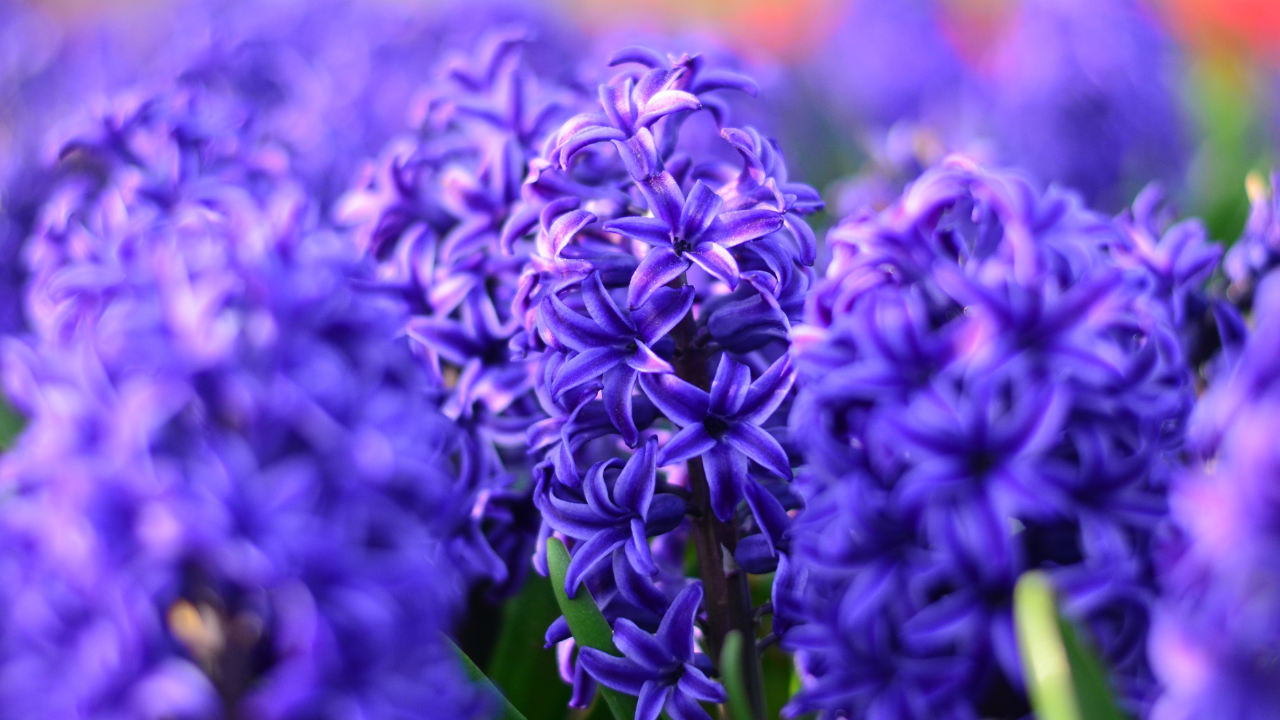
Hyacinth: In Greek mythology, the hyacinth is connected to loss and remembrance. Its deep purple varieties carry a sense of sorrow and spiritual depth, making it a powerful flower in mourning traditions. The mythological story of Hyacinthus, beloved by both Apollo and Zephyr, adds a layer of tragic beauty to this flower’s symbolism.
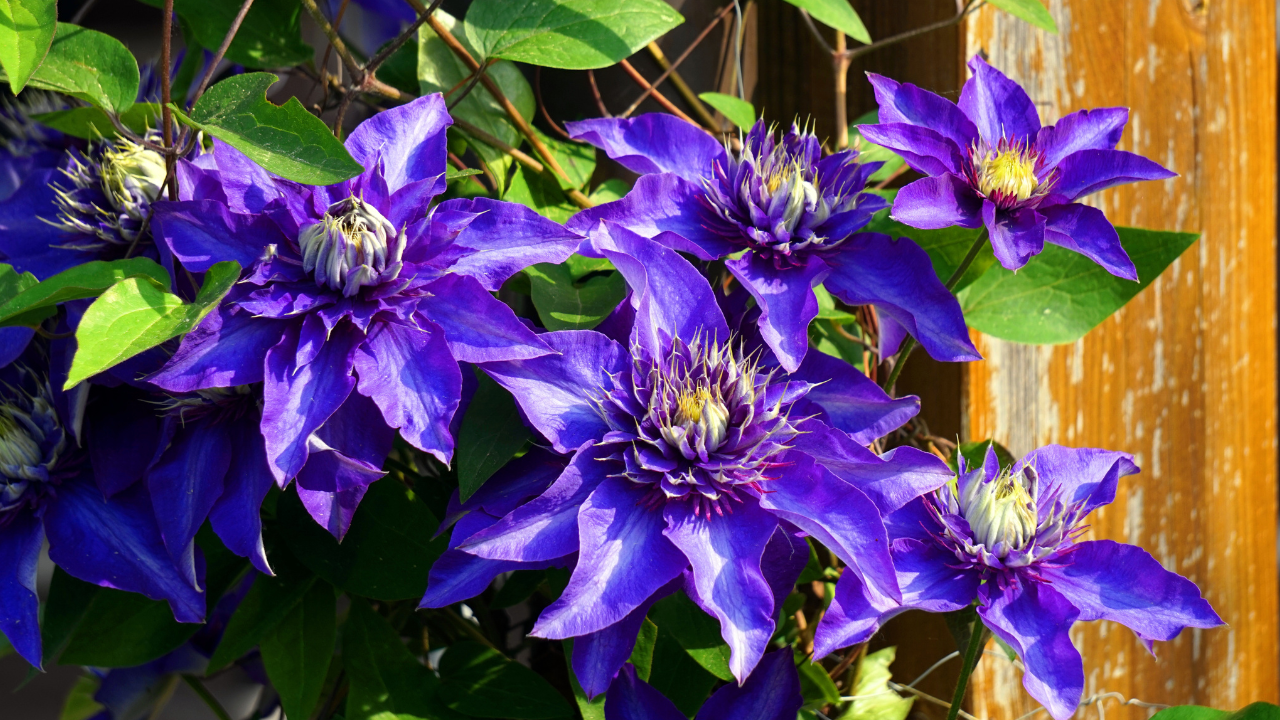
Clematis: This climbing flower symbolizes the journey of the soul and the connections that persist beyond physical death. Its purple varieties are particularly meaningful in memorial gardens and remembrance ceremonies.
Modern Interpretations and Healing
While purple flowers carry serious symbolic weight, they are not exclusively about sadness. Modern interpretations emphasize their role in healing and transformation. They represent the journey of grief, the beauty of memory, and the hope that persists even in moments of profound loss.
Contemporary grief counselors and therapists often recommend incorporating meaningful flowers into mourning processes. Purple flowers, with their deep symbolic resonance, can provide a tangible way to honor memories and begin the healing journey.
Selecting Purple Flowers for Memorial Spaces
When choosing purple flowers for memorial spaces or to honor lost loved ones, consider the specific variety and its cultural meanings. The right flower can provide comfort, spark memories, and create a sense of peaceful remembrance.
Conclusion: More Than Just a Color
Purple flowers represent far more than a simple color choice. They are a complex language of emotion, spirituality, and human experience. From their historical significance to their modern psychological impact, these flowers offer a profound way to express the inexpressible emotions surrounding death and memory.
Whether used in funeral arrangements, memorial gardens, or personal moments of reflection, purple flowers continue to provide a beautiful, respectful way to navigate the complex journey of loss and remembrance. They remind us that death is not an end, but a transformation – a passage marked by dignity, memory, and the enduring beauty of human connection.
Yet, their significance extends beyond individual grief. Purple flowers serve as a collective reminder of our shared human experience – the universal understanding that loss is a deeply personal yet simultaneously communal journey. They bridge the gap between personal sorrow and collective healing, offering a gentle language of compassion that speaks when words fall short.