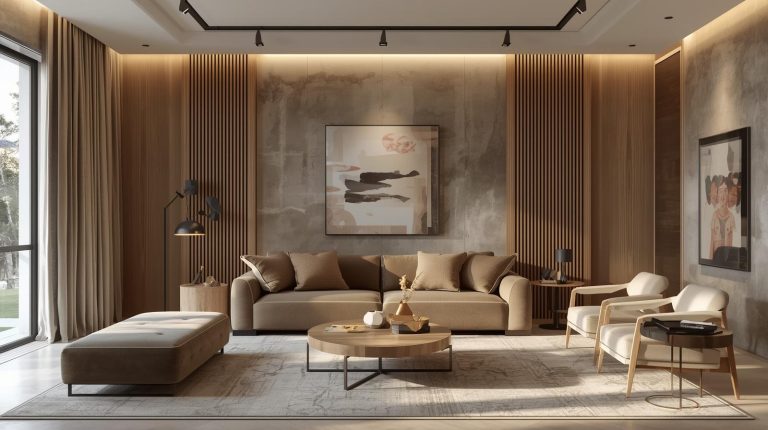
Colors in our homes do more than just enhance their beauty; they shape our emotional and mental experiences within the space. Interior designers have long understood that the warmth or coolness of a color can affect the atmosphere, mood, and even the perceived size of a room. By understanding how warm and cool colors influence us, homeowners and designers can use this knowledge to create spaces that fulfill specific functional and emotional needs. By strategically using warm and cool colors, designers can manipulate the perception of space to better suit the needs of the room’s function.
The Science Behind Color Temperature
What Makes Colors “Warm” or “Cool”?
Color temperature is not just a design concept; it’s rooted in physics and how we perceive light. Warm colors—like reds, oranges, and yellows—occupy the lower wavelengths of the visible light spectrum. These colors visually advance toward the viewer, making a space feel more intimate. Cool colors—such as blues, greens, and violets—are associated with higher wavelengths, creating a sense of distance and space.
This distinction isn’t just theoretical. Our brains respond differently to these colors: warm colors tend to energize us, while cool colors have a calming effect. These responses lay the foundation for how color temperature can be used strategically in interior design.
Cultural and Contextual Influences
Cultural meanings and contexts play a significant role in shaping how colors are perceived and interpreted across different regions. For instance, in Western cultures, blue often symbolizes calmness, tranquility, and professionalism, making it a popular choice for bedrooms and offices.
However, in some Eastern traditions, blue is linked to healing and spirituality, which might influence its use in meditation spaces or wellness centers. Similarly, red in Western interiors is commonly associated with passion, love, or even danger, while in Chinese culture, it symbolizes prosperity, good fortune, and joy, making it a prominent color for celebrations and special occasions.
Understanding these cultural nuances adds an extra layer of meaning to color choices, allowing designers to create spaces that resonate on a deeper emotional level with diverse audiences.
Warm Colors: Creating Energy and Intimacy
Red: The Power Color
Red is one of the most powerful colors in interior design. It stimulates heart rates and appetite, creating a strong, immediate visual impact. In dining rooms, red encourages conversation, while in living rooms, it adds energy and drama. However, red can overwhelm a space if overused, so it’s best applied as an accent color through walls, furniture, or accessories.
Orange: The Social Color
Orange combines red’s energy with yellow’s warmth, creating an inviting atmosphere. It’s great for social spaces, as it encourages conversation and adds vibrancy to a room. In kitchens or living areas, shades of orange, like terracotta or peach, balance energy and warmth.
Yellow: The Uplifter
Yellow is linked to optimism and mental stimulation. It boosts serotonin levels, helping to lift moods and improve concentration. It’s ideal for creative spaces or areas where focus is needed. Yellow is best used in rooms lacking natural light, as it can brighten the space. However, too bright or saturated yellows may create visual tension, so muted tones work better.
Warm Colors for Interior Design
Cool Colors: Calming and Expansive
Blue: The Calm Creator
Blue is universally known for its calming properties. It lowers blood pressure and reduces stress, making it ideal for bedrooms and bathrooms. Blue’s ability to visually recede also makes rooms appear more spacious. Light blues can create an airy feel, while deeper blues add sophistication.
Green: The Harmonizer
Green strikes a balance between the stimulating effects of yellow and the calm of blue. It is associated with nature, renewal, and balance. Green is proven to reduce stress and enhance focus, making it perfect for study rooms and offices.
Purple: The Contemplative Color
Purple blends blue’s stability with red’s energy, offering a rich and complex tone that fosters reflection and creativity. Historically associated with royalty, purple brings sophistication and luxury to spaces. Soft lavenders are great for bedrooms or meditation rooms, while deeper purples create a dramatic effect in living rooms.
Cool Colors for Interior Design
Using Color Temperature Strategically in Design
Room Function and Color Temperature
Understanding the function of a room helps determine the best color temperature. For spaces intended for relaxation or sleep, cool colors are ideal to lower stimulation and induce calm. In areas designed for socializing or activity, warm colors work well to energize and engage.
Spatial Perception and Temperature Manipulation
Color temperature can also alter how we perceive space. Warm colors make a room feel more intimate, while cool colors make it appear larger. For example, a narrow hallway can be visually widened by applying warm colors at the far end. Similarly, small rooms painted with cool colors may feel more spacious.
Lighting Considerations
The type of lighting in a room affects how colors are perceived. Northern light, which has cooler blue tones, can make cool colors appear even colder. In contrast, southern exposure enhances warm colors, making them more vibrant. Designers take these lighting effects into account when choosing colors to ensure the space looks its best at any time of day.
Balancing Color Temperature in Interior Design
The 60-30-10 Rule
Instead of choosing all warm or all cool colors, many interior designers use the 60-30-10 rule. This involves using a primary color (60%) to set the room’s temperature, a secondary color (30%) of the opposite temperature, and accent colors (10%) to add interest. This creates a balanced environment that draws on the benefits of both warm and cool colors.
Transitional Colors
Transitional colors bridge the gap between warm and cool tones. For example, teal blends the coolness of blue with the warmth of green, creating a refined and adaptable palette. Using these colors allows a space to transition smoothly between different functions and moods.
Conclusion: The Power of Color Temperature in Interior Design
Color temperature is a powerful tool in interior design, helping to shape both the functionality and emotional impact of a space. Whether using warm colors to energize and create intimacy or cool colors to calm and expand, understanding color psychology in interiors allows designers and homeowners to create environments that are not only visually pleasing but also enhance wellbeing, productivity, and emotional satisfaction.
By considering how color temperature influences our perceptions and emotions, interior design can become a powerful tool for improving our living environments.