Innovation, creativity, and problem-solving are all essential drivers of success in today’s fast-paced world. Understanding the psychological factors that influence these abilities can provide valuable insights into boosting productivity, enhancing creativity, and fostering a culture of innovation in teams.
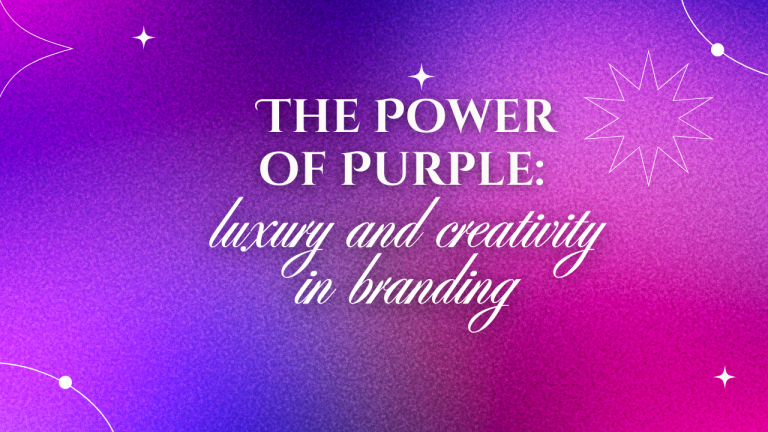
One surprising factor that plays a significant role in sparking creativity is color. Specifically, purple—an often overlooked but powerful color—has a profound impact on our creative thinking and problem-solving abilities. This article delves into the psychology of innovation and explores how purple can influence creativity and innovation.
The Historical Significance of Purple in Creativity
Purple has a rich history, one that connects it with power, wisdom, and creativity. In ancient civilizations, purple was highly prized due to its rarity. In ancient Rome, the color was extracted from the Murex sea snail and was reserved for the elites, including royalty, intellectuals, and artists. As such, purple became a symbol of creativity, higher learning, and originality.
The Greeks and Romans regarded purple as a divine color, often associating it with artistic and intellectual pursuits. The connection between purple and creativity has thus been embedded in culture for centuries. Even during the Renaissance period, purple was considered a color tied to artistic achievement and intellectual prowess.
The Science Behind Purple’s Effect on the Brain
It’s not just history that links purple to creativity—scientific studies have shown that the color has a unique impact on our brains. Purple is a mix of red and blue, which allows it to stimulate both excitement and calm. The unique combination of these two primary colors has profound effects on how our brains process information.
When exposed to purple, the brain becomes more flexible, encouraging both creative thinking and problem-solving. This is crucial when faced with challenges or tasks that require innovative solutions. Studies have found that purple enhances cognitive flexibility—enabling individuals to think “outside the box” and come up with fresh ideas.
Furthermore, purple has been shown to increase focus and concentration, which are essential when engaging in creative tasks. According to psychological studies, purple activates both the left (logical) and right (creative) hemispheres of the brain, leading to balanced, innovative thinking. This makes purple a potent tool for boosting creativity in environments that demand problem-solving and forward-thinking.
Purple and Creativity: Psychological Effects
The psychology of color has long been studied, and purple consistently emerges as one of the most influential colors for stimulating creativity. The calming yet energizing qualities of purple make it an ideal color for promoting innovation. The color balances relaxation with excitement, creating a perfect mental environment for creative thinking.
One of purple’s most powerful psychological effects is its ability to help individuals enter a state of “flow.” This term refers to the mental state in which a person is completely immersed in an activity and experiences heightened focus and creativity. Purple encourages this state of flow by providing a visual cue that both calms and stimulates the brain, making it easier to produce novel ideas.
Purple’s effect on creativity varies depending on its shade. Lighter shades, such as lavender, tend to have a more soothing and calming influence, while darker shades, like violet, are more stimulating and conducive to intense problem-solving and deep thinking.
Purple’s Role in Creative Industries
From the world of fashion to the tech industry, purple has long been a color that signals creativity, innovation, and disruption. Many creative professionals and brands use purple as part of their visual identity to convey originality and out-of-the-box thinking.
For example, the famous musician Prince adopted purple as his signature color. The artist’s bold use of purple not only reflected his individuality but also his ability to challenge norms and push the boundaries of music and art. His iconic “Purple Rain” album further solidified purple as a symbol of creativity and artistic vision.
In the world of interior design, purple is frequently used in spaces that are intended to inspire creativity. Designers often use purple in creative studios or offices to foster an environment conducive to innovation. In fact, many tech companies and design firms use purple in their branding or office decor to reflect their commitment to groundbreaking ideas.
Tech giants like Google and Adobe use purple in their branding and workspaces, associating their companies with forward-thinking and creativity. These companies understand that the right environment can significantly influence creativity and innovation, and purple plays a key role in creating that environment.
How Purple Can Boost Creativity in Your Own Life
Now that we understand the history, science, and psychology behind purple, how can we use this color to our advantage in everyday life? If you’re looking to boost your own creativity and problem-solving skills, incorporating purple into your environment might be a simple yet effective solution.
Here are some practical ways you can harness the power of purple for creativity:
1. Purple in Your Workspace
If you work in a creative field, consider adding purple elements to your workspace. Whether it’s through furniture, artwork, or lighting, purple can create an inspiring atmosphere that promotes focus and original thinking. Just be careful not to overdo it; too much purple can be overwhelming, so use it as an accent rather than the primary color.
2. Purple in Your Clothing
Wearing purple can also have a subtle but positive effect on your creative mindset. Try adding a purple scarf, shirt, or accessory to your outfit when you’re working on a creative project. You may notice that the color helps to spark new ideas or enhances your ability to think creatively.
3. Purple for Relaxation and Focus
Because purple has a calming yet stimulating effect, it can be used in spaces where you need to concentrate deeply, such as a study area or reading nook. The calming aspects of the color can help you focus on the task at hand while the stimulating qualities keep your brain actively engaged.
4. Incorporating Purple into Your Home Decor
For those working from home or involved in creative hobbies, consider decorating your space with shades of purple. Whether it’s a feature wall or small accents like pillows and curtains, purple can inspire creativity and help you maintain a relaxed yet focused atmosphere.
Colors That Complement Purple
Shades of Purple Associated with Creativity
Conclusion
The connection between purple and creativity is backed by both history and science. Whether you’re an artist, designer, or entrepreneur, purple has the potential to enhance your creative thinking and problem-solving abilities. Its calming yet stimulating effects help individuals tap into their full creative potential, making it an ideal color for those looking to foster innovation.
By incorporating purple into your environment, you can create the ideal conditions for creativity to flourish. Whether it’s in your workspace, wardrobe, or home decor, the color purple has the power to inspire new ideas and innovative solutions.
So, the next time you find yourself stuck in a creative block, consider surrounding yourself with purple. It just might be the key to unlocking your next great idea.